Tree Health Assessments by Urban Forestry Experts
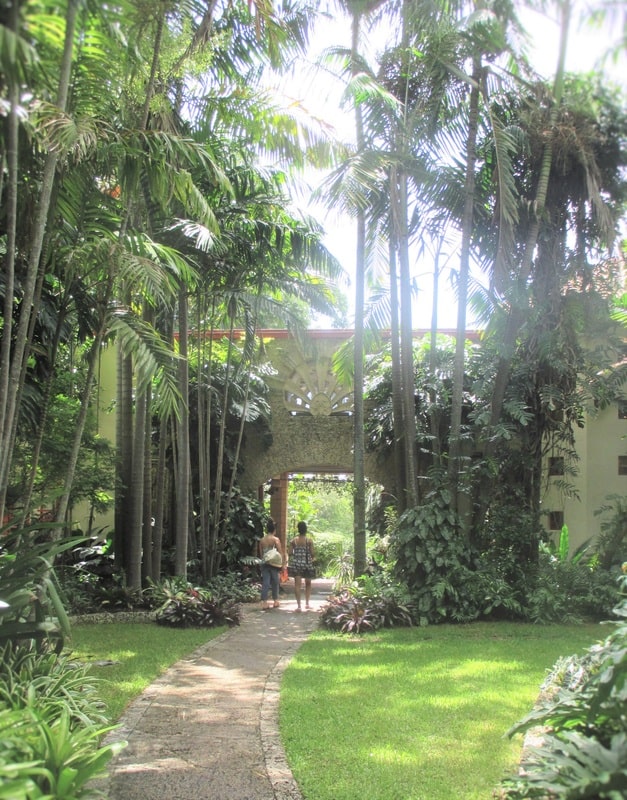
Trees play an essential role in urban environments by enhancing aesthetics, improving air quality, and providing shade. However, maintaining tree health in urban settings can be challenging due to various stress factors such as pollution, limited rooting space, and pests. Conducting regular tree health assessments is crucial to ensure these green assets thrive. Urban forestry experts are trained to evaluate the condition of trees and recommend appropriate management practices. Understanding the intricacies of tree health assessments can help urban planners, property managers, and homeowners make informed decisions regarding tree care and preservation.
The Importance of Tree Health Assessments
Tree health assessments are integral to maintaining the vitality and safety of trees in urban landscapes. These evaluations help in:
- Identifying diseases and pest infestations early to prevent widespread damage.
- Evaluating structural stability to mitigate the risk of tree or branch failure.
- Preserving tree longevity through timely interventions.
- Enhancing the aesthetic and ecological value of urban green spaces.
For more comprehensive insights into the importance of tree assessments, read more about this topic.
Key Components of Tree Health Assessments
Visual Inspection
The first step in a tree health assessment involves a thorough visual inspection. Experts look for:
- Signs of disease such as discolored leaves, cankers, or fungal growth.
- Structural issues like cracks, splits, or leaning trunks.
- Pest infestations indicated by holes, frass, or damaged foliage.
- Environmental stress indicators, including wilting or early leaf drop.
Conducting regular visual inspections helps in the early detection of potential issues. Explore further insights here.
Soil and Root Analysis
Soil quality and root health are critical to a tree’s overall condition. Urban forestry experts assess:
- Soil compaction, which can restrict root growth and water absorption.
- Nutrient levels to ensure the tree is receiving adequate nourishment.
- Root health, checking for signs of rot or damage.
This analysis is essential for diagnosing underlying issues that may not be immediately visible. Learn more in this detailed guide.
Advanced Diagnostic Tools
In addition to visual and soil assessments, urban forestry experts may employ advanced diagnostic tools such as:
- Sonic tomography to detect internal decay or cavities.
- Resistograph testing to measure wood density and identify structural weaknesses.
- Drone technology for aerial inspections, providing a comprehensive view of tree canopies.
These technologies enhance the accuracy of tree health assessments, enabling more precise management strategies. Find additional information here.
Implementing Management Recommendations
Following a tree health assessment, urban forestry experts provide management recommendations tailored to the specific needs of each tree. These may include:
- Pruning to remove dead or hazardous branches and promote healthy growth.
- Soil amendments to improve nutrient availability and soil structure.
- Pest and disease management using environmentally friendly methods.
- Structural support through cabling or bracing to enhance stability.
Implementing these recommendations can significantly extend the lifespan of urban trees and enhance their contributions to the environment. Learn more in this detailed guide.
Conclusion
Tree health assessments are a vital component of urban forestry management. By identifying and addressing potential issues early, experts ensure that trees continue to provide their manifold benefits to urban communities. As cities expand and environmental challenges grow, the role of urban forestry experts in safeguarding tree health becomes increasingly crucial. For further information on this subject, explore further insights here.
Post Comment