Maximizing Space with Tight Access Landscaping in Vancouver
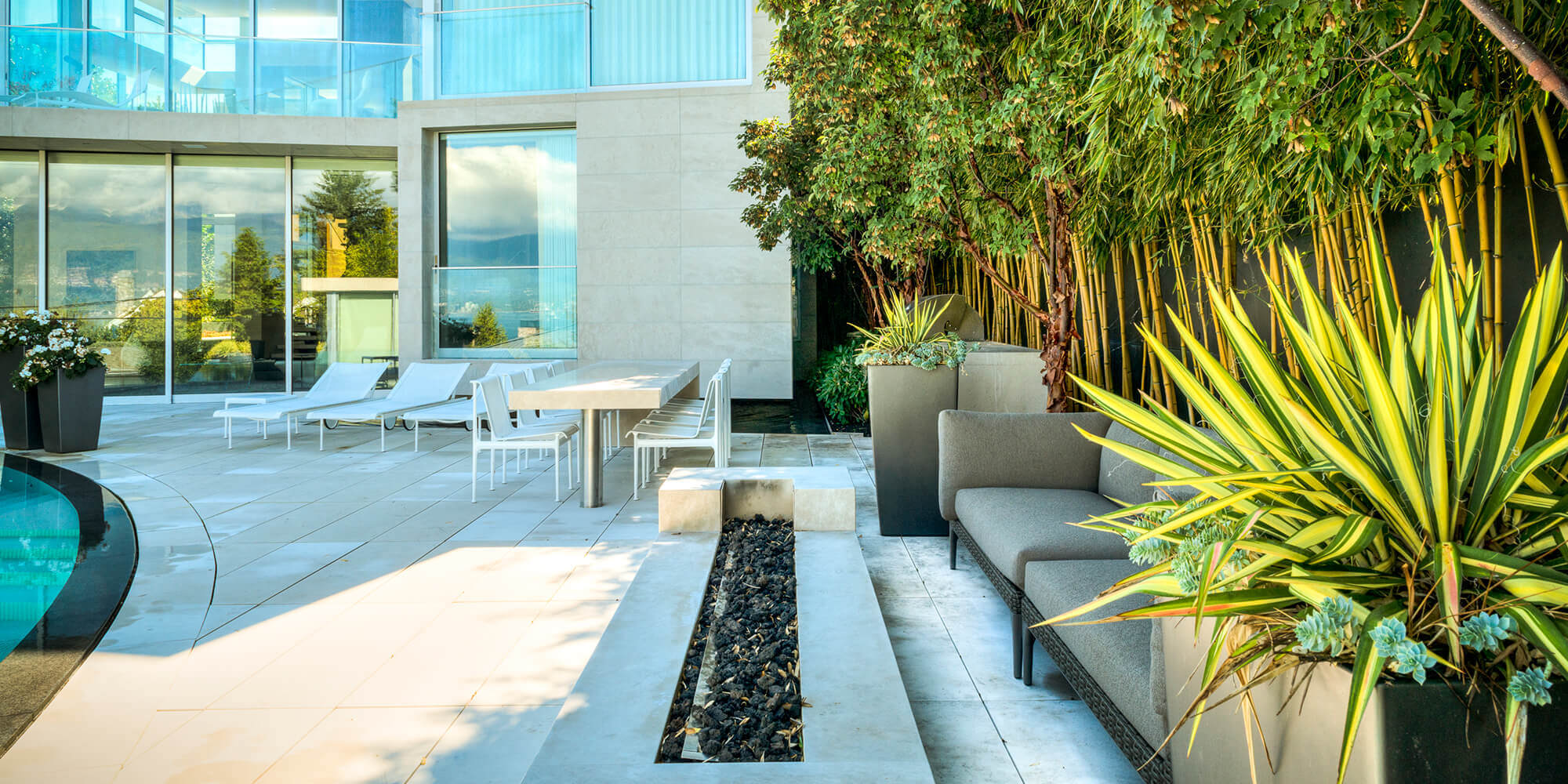
In urban settings like Vancouver, maximizing space through innovative landscaping solutions is essential, especially when dealing with tight access areas. These spaces often present unique challenges that require creative design and effective planning. Whether it’s a small backyard, narrow side passage, or a confined front garden, embracing the challenge of tight access landscaping can transform these limited spaces into functional and aesthetically pleasing areas. This article explores various strategies and techniques to optimize small spaces, ensuring that every square foot is utilized efficiently and beautifully.
Understanding Tight Access Landscaping
Tight access landscaping refers to garden and outdoor space design strategies specifically crafted for areas that are difficult to reach or have limited space. In Vancouver, where urban density is high, these strategies are particularly relevant. They involve creative use of materials, innovative design concepts, and strategic planning to enhance limited areas.
Design Considerations for Tight Spaces
When planning a landscape for a tight space, several key design considerations can make a significant difference:
- Vertical gardening: Utilize wall space for planting to add greenery without consuming ground area. This approach is ideal for small urban gardens.
- Multi-functional features: Incorporate elements that serve multiple purposes, such as seating with built-in storage or planters with integrated lighting.
- Minimalist design: Keep the design simple to avoid clutter, using clean lines and a limited color palette for a more spacious feel.
Implementing Effective Plant Choices
Plant selection is crucial in tight access landscaping as it significantly influences the overall aesthetic and functionality of the space. Here’s how to choose the right plants:
- Choose compact species: Opt for plants that naturally remain small or have a slow growth rate.
- Focus on vertical growth: Select plants that grow upwards rather than outwards, taking advantage of vertical space.
- Prioritize low-maintenance options: Consider native plants or drought-resistant varieties that require less upkeep.
For more insights on selecting the appropriate plants for tight spaces, Explore advanced guides and tips.
Hardscaping Techniques
The hardscape elements in a landscape can significantly enhance a tight space’s utility and appearance. Here are some techniques to consider:
Smart Materials and Layouts
- Use permeable materials: Materials like gravel or permeable pavers allow for water drainage while creating a stable surface.
- Opt for compact furniture: Choose furniture that can be folded or stacked when not in use to free up space.
- Incorporate mirrors or reflective surfaces: These can create illusions of space and add light to darker areas.
To see how these techniques can be tailored to specific needs, Learn about our tailored solutions.
Managing Access and Logistics
Access to tight spaces can often be challenging, requiring careful planning and logistics. Here are some strategies to manage these challenges effectively:
- Plan for delivery and installation: Ensure that all materials and plants can be transported through narrow passages and doorways.
- Use modular designs: Opt for components that can be assembled on-site in sections, making it easier to navigate tight areas.
- Schedule work efficiently: Coordinate landscaping work to minimize disruptions and maximize efficiency.
For more on managing logistics and access issues, Discover expert strategies here.
Conclusion
Maximizing space with tight access landscaping in Vancouver requires a blend of creativity, strategic planning, and knowledgeable execution. By adopting innovative design strategies, selecting appropriate plants, and managing logistical challenges effectively, even the most confined spaces can be transformed into beautiful and functional areas. For further guidance on implementing these strategies, Find out more about this approach.
Post Comment