Mastering UV DTF Printing Techniques
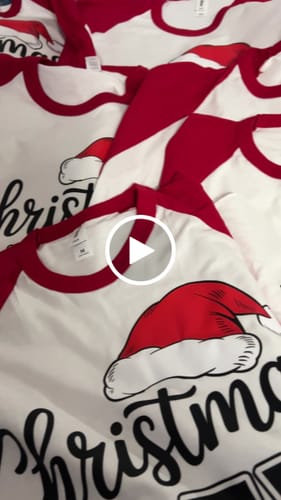
In the world of printing technology, UV DTF (Direct to Film) printing has emerged as a cutting-edge method that offers a plethora of benefits for businesses and artists alike. By leveraging ultraviolet curing and advanced film technologies, this innovative technique ensures high-quality prints with vibrant colors and long-lasting durability. As the printing industry evolves, mastering UV DTF printing techniques becomes essential for professionals aiming to deliver exceptional prints while maximizing efficiency.
Understanding UV DTF Printing
UV DTF printing combines the precision of direct printing with the durability of film applications. Unlike traditional methods, this technology uses UV-curable inks that are instantly dried by UV light exposure, making the prints more robust and resistant to environmental factors.
Key Advantages of UV DTF Printing
- High-quality prints with vivid colors and intricate details.
- Enhanced durability, resistant to scratching and fading.
- Eco-friendly process with minimal waste production.
- Versatile applications across various substrates such as textiles, plastics, and metals.
- Quick turnaround time due to fast curing processes.
For more information on how this technology can benefit various industries, explore uv dtf printing.
Essential Steps in UV DTF Printing
To achieve optimal results, a structured approach is necessary. Here are the essential steps involved in the UV DTF printing process:
1. Design Preparation
Begin by preparing your design using graphic design software. Ensure that the image resolution is high and colors are accurately set to achieve the desired print quality. Pay close attention to details as UV DTF printing captures even the smallest nuances in the design.
2. Film Printing
Once the design is ready, it is printed onto a special film using UV-curable inks. This step involves precise calibration of the printer to ensure alignment and color accuracy. The film acts as a carrier for the ink, which will be transferred onto the substrate in the next step.
3. Transfer Process
The printed film is then carefully aligned and pressed onto the chosen substrate. Heat and pressure are applied to facilitate the transfer of ink from the film to the substrate. It’s crucial to ensure even pressure distribution to achieve a uniform print.
4. UV Curing
After the ink transfer, the print is exposed to UV light, which cures the ink instantly. This step solidifies the ink, making it resistant to external factors. The curing process is quick, allowing for rapid production cycles.
Tips for Mastering UV DTF Printing
Mastering UV DTF printing requires understanding the nuances of the process and employing best practices. Here are some tips to consider:
- Regularly calibrate your printer and curing equipment to maintain optimal performance.
- Experiment with different substrates to understand how they interact with UV-curable inks.
- Stay updated with the latest advancements in ink formulations and film technologies.
- Invest in training and workshops to enhance technical skills and knowledge.
The printing landscape is constantly evolving, and staying informed about new techniques is vital for success. For further insights, refer to resources on uv dtf printing.
Conclusion
UV DTF printing presents a transformative opportunity for professionals seeking to produce high-quality, durable prints with efficiency. By understanding and mastering the essential techniques, businesses and artists can harness the full potential of this innovative technology. Continual learning and adaptation are crucial to staying ahead in this dynamic field, ensuring that prints not only meet but exceed expectations.
Post Comment