Where to Buy Berberine: Guide to Best Berberine Supplement and Capsules
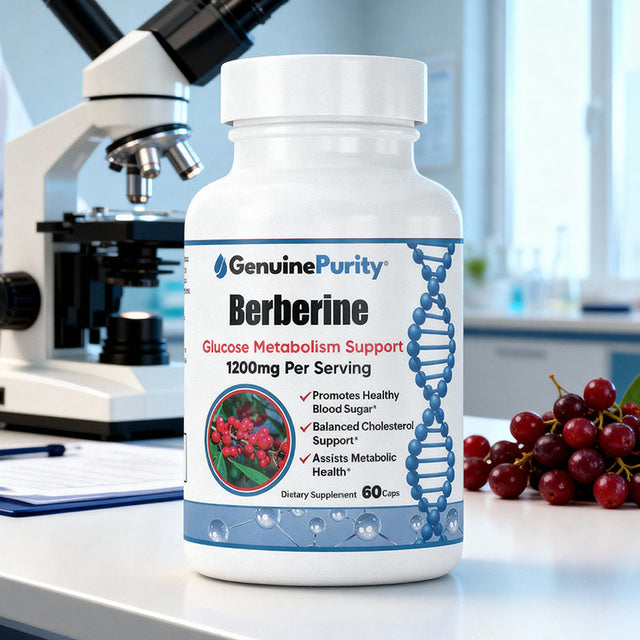
Berberine has emerged as a popular natural supplement for supporting metabolic health, blood sugar regulation, and cardiovascular function. With a growing market of capsules, powders, and blends, finding a high-quality product can be overwhelming. This guide breaks down the key factors to consider when purchasing berberine, highlights trusted sources, and provides actionable tips for selecting the most effective supplement for individual needs.
Understanding Berberine: What Makes It Effective?
Berberine is an alkaloid extracted from plants such as Berberis vulgaris (barberry) and Coptis chinensis. Its benefits stem from several mechanisms:
- AMPK activation – helps regulate cellular energy and improves insulin sensitivity.
- Anti-inflammatory properties – reduces markers associated with chronic disease.
- Gut microbiome modulation – supports healthy bacterial balance, influencing metabolism.
When choosing a supplement, it’s essential to verify that the product delivers a consistent, bioavailable dose of berberine HCl, the most studied and effective form.
Key Criteria for Selecting a High-Quality Berberine Supplement
1. Purity and Standardization
Look for products that disclose the exact percentage of berberine HCl per capsule and provide third-party testing results. A purity rating of 95%”?+”?is typically considered reliable.
2. Dosage and Formulation
Effective daily dosages range from 900″?mg to 1500″?mg, usually divided into two or three servings. Capsules are preferred for precise dosing, while powders may offer flexibility but can be less convenient.
3. Manufacturing Standards
Supplements manufactured in GMP-certified facilities ensure consistent quality and safety. Look for certifications such as NSF, USP, or ISO 9001.
4. Ingredient Transparency
A clean label with minimal fillers, binders, or artificial additives is ideal. Common acceptable excipients include vegetable cellulose and magnesium stearate.
Where to Buy Berberine: Trusted Sources
While many retailers claim to offer premium berberine, not all provide the transparency needed for informed decisions. Below are reputable avenues to consider:
- Direct-to-Consumer Brand Websites – Purchasing from the manufacturer’s official site often guarantees authenticity, batch testing reports, and consistent pricing.
- Specialty Health Stores – Stores that focus on nutraceuticals typically curate products based on quality criteria.
- Verified Online Marketplaces – Platforms with robust seller verification and customer review systems can be reliable when the product page includes third-party lab results.
For a proven, high-purity option, Discover expert strategies here provides a formulation that meets strict GMP standards and includes transparent lab testing.
How to Evaluate Product Listings
When browsing online, keep an eye on the following details:
- Clear dosage information per serving.
- Accessible Certificate of Analysis (COA) links.
- Customer feedback regarding gastrointestinal tolerance.
- Return or satisfaction guarantees.
These elements help differentiate a reputable product from one that may contain fillers or sub-therapeutic doses.
Best Practices for Using Berberine Supplements
Timing and Dosage Splitting
Because berberine can affect gut motility, splitting the total daily dose into two or three meals improves absorption and reduces potential stomach upset.
Complementary Nutrients
Pairing berberine with:
- Vitamin D3 – supports overall metabolic health.
- Magnesium – aids in muscle relaxation and can offset occasional cramping.
Monitoring Progress
Track fasting glucose, HbA1c, and lipid panels before starting and after 8-12 weeks of consistent use. Adjust dosage only after consulting a healthcare professional.
Frequently Asked Questions
Is berberine safe for long-term use?
Clinical studies indicate that daily use up to 1500″?mg is well tolerated for several months. Periodic breaks (e.g., 2 weeks off after 3 months) may be advisable for some individuals.
Can berberine interact with medications?
Yes. Berberine can inhibit CYP3A4 enzymes, potentially affecting statins, anticoagulants, and certain antihypertensives. Always discuss supplementation with a physician.
What is the difference between berberine HCl and berberine sulfate?
Berberine HCl is the most studied, offering higher solubility and bioavailability. Berberine sulfate is less common and may require higher doses to achieve similar effects.
Final Recommendations
Choosing the right berberine supplement hinges on purity, transparent labeling, and reputable sourcing. By focusing on GMP-certified products with third-party testing, consumers can confidently incorporate berberine into their wellness regimen.
For a vetted option that aligns with these standards, Learn about our tailored solutions and explore the detailed product page. Additional insights are available through related resources such as Explore advanced guides and tips and Find out more about this approach.