TT Aero Package Essentials for Competitive Cyclists
Time-trial (TT) racing demands a blend of aerodynamic efficiency, precise equipment choices, and meticulous preparation. For competitive cyclists aiming to shave seconds off every kilometer, the right TT aero package can be the difference between a podium finish and a respectable, yet distant, result. This guide breaks down the essential components of a high-performance TT setup, offering actionable insights that align with the latest advancements in aerodynamics and biomechanics.
Core Components of an Aerodynamic TT Package
1. Aero Helmet
- Streamlined shape reduces drag by up to 15% compared to conventional road helmets.
- Integrated ventilation maintains cooling without compromising airflow.
- Carbon fiber shell provides a lightweight yet rigid structure.
Choosing a helmet that balances airflow and surface smoothness is critical; many riders find that testing multiple models on a wind tunnel yields the most reliable data. For a curated selection of helmets designed for time-trial performance, Discover expert strategies here.
2. Time-Trial Bike Frame
- Triangular tube profiles and hidden cable routing minimize turbulent flow.
- Integrated cockpit systems keep the rider’s frontal area low.
- Stiff carbon layup transfers power efficiently while maintaining compliance.
Modern frames often feature interchangeable seatpost and stem options, allowing fine-tuning of rider position. Detailed comparisons of frame geometry can be found in the latest guide, Explore advanced guides and tips.
3. Aerodynamic Wheels
- Deep-section rims (??? 50mm) cut through air with reduced drag.
- Bladed spokes or solid carbon spokes further smooth airflow.
- Tire width and pressure must be matched to rim depth for optimal rolling resistance.
When selecting wheels, consider course profile; flatter courses benefit from deeper rims, while hilly routes may require shallower profiles for better handling. A comprehensive wheel selection chart is available to Find out more about this approach.
4. Integrated Cockpit
- Aero bars with adjustable extensions allow precise arm positioning.
- Integrated brake levers reduce frontal area and simplify cable routing.
- Clip-on aero extensions can be swapped quickly for different course demands.
Proper fit is essential; even small misalignments can increase drag and cause discomfort. For a step-by-step fitting protocol, see the resource that Learn about our tailored solutions.
Secondary Elements That Influence Aerodynamics
Clothing and Shoes
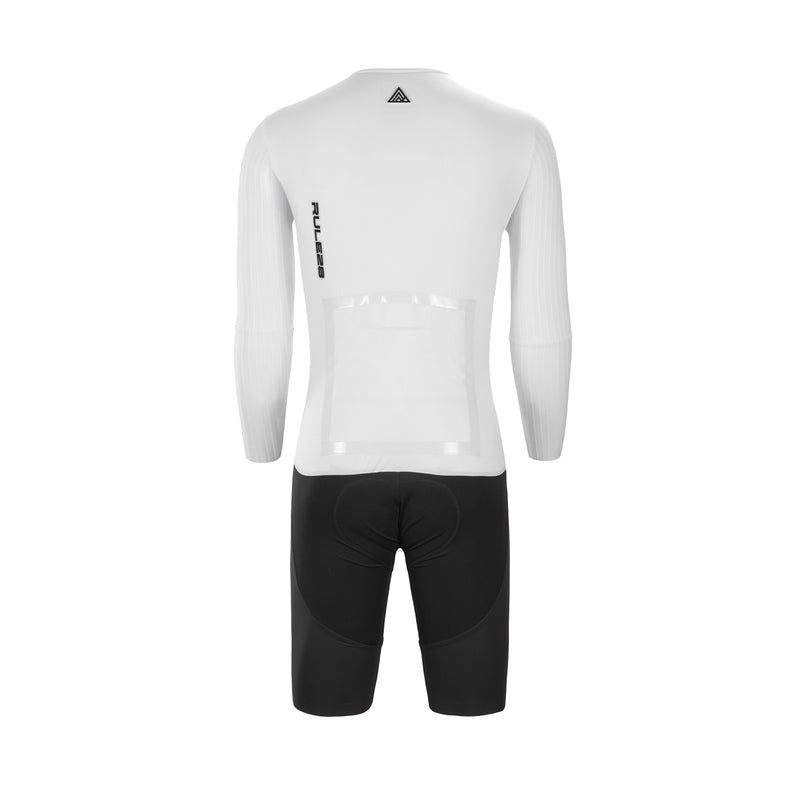
- Form-fitting skinsuits made from low-drag fabrics reduce turbulence.
- Seamless shoe covers eliminate drag around the pedal interface.
- Flat-locked socks and tight-fit gloves keep the overall silhouette sleek.
Investing in high-quality TT apparel can yield measurable time gains, especially over long distances. A curated collection of performance fabrics can be Discover expert strategies here.
Power Meter Integration
- Accurate data informs pacing strategy and equipment choices.
- Compact, aerodynamic power meters minimize added drag.
- Wireless transmission reduces cable clutter on the bike.
Integrating a power meter into the crankset or pedal system ensures consistent data without compromising aerodynamics. Guidance on selecting the most aerodynamic models is available in the Explore advanced guides and tips section.
Bike Fit and Positioning
- Hip angle, torso tilt, and shoulder width must be optimized for both power output and drag reduction.
- Dynamic fitting tools (e.g., 3-D motion capture) provide precise adjustments.
- Regular reassessment is necessary as fitness and flexibility evolve.
A professional bike fit not only improves speed but also reduces the risk of injury. For detailed fit protocols, consult the resource that Find out more about this approach.
Maintenance and Fine-Tuning for Race Day
- Wheel Truing: Ensure wheels are perfectly true; even a millimeter of wobble can increase drag.
- Component Cleanliness: Dust and grime on frames or helmets disrupt airflow; clean with a mild solvent before each event.
- Tire Pressure: Adjust based on temperature and course surface; a 2-psi variance can affect rolling resistance.
- Pre-Ride Aerodynamic Checks: Use a portable wind tunnel or on-bike sensor suite to verify drag coefficients after any equipment change.
Putting It All Together: A Sample Setup for a 40-km TT
- Bike: Carbon monocoque frame with integrated cockpit, optimized for low frontal area.
- Helmet: Ultra-streamlined carbon helmet with vented rear.
- Wheels: 55mm deep carbon rims paired with 23mm high-traction tires, inflated to 100″?psi.
- Cockpit: Adjustable aero bars with integrated brake levers, fitted with carbon extensions.
- Clothing: Full-length skinsuit, shoe covers, and low-drag gloves.
- Power Meter: Compact crank-based unit with wireless data transmission.
This configuration balances maximum aerodynamic advantage with rider comfort, allowing sustained power output throughout the effort. For variations tailored to hillier courses or windy conditions, the selection of wheels and helmet shape can be adjusted while maintaining the core principles outlined above.
Conclusion
Mastering the TT aero package involves more than simply purchasing the most expensive components; it requires a systematic approach that integrates equipment selection, precise fitting, and diligent maintenance. By focusing on the elements highlighted in this guide, helmet, frame, wheels, cockpit, clothing, and power meter, competitive cyclists can achieve measurable performance gains. Continuous testing, data analysis, and incremental adjustments will keep the setup ahead of evolving race demands. For further resources, product recommendations, and in-depth technical articles, Learn about our tailored solutions and stay at the forefront of time-trial innovation.