Factors That Influence the Private Airplane Pilot Course Price Today
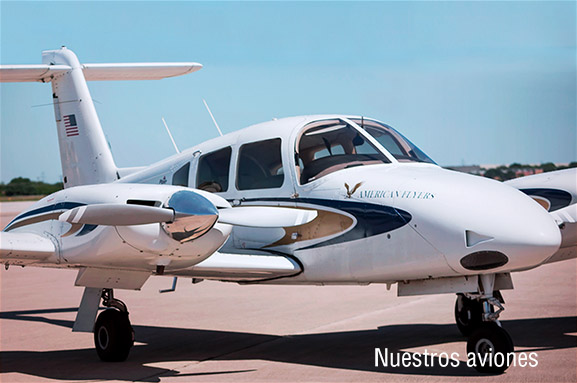
Choosing a private airplane pilot course is a significant investment, and understanding the variables that shape its cost is essential for making an informed decision. From aircraft type to regulatory requirements, each factor contributes to the final price tag. This article breaks down the most influential elements, helping aspiring pilots gauge what to expect and how to optimize their training budget.
Core Components That Determine Course Pricing
Aircraft Type and Availability
- Single-engine vs. multi-engine: Training on a single-engine aircraft is typically less expensive due to lower fuel consumption and simpler maintenance.
- Modern avionics: Aircraft equipped with glass cockpits or advanced navigation systems often carry higher hourly rates, but they provide valuable experience for modern airspace.
- Fleet size and utilization: Schools with a larger fleet can spread fixed costs, potentially offering more competitive rates.
Instructor Qualifications
- Certified Flight Instructors (CFI) with additional ratings (e.g., Instrument, Multi-Engine) command higher fees.
- Instructors who hold commercial or airline transport pilot experience may charge premium rates for their expertise.
Regulatory and Certification Requirements
- Meeting FAA or EASA standards involves specific flight hour minima, ground school modules, and examination fees.
- Additional endorsements, such as night or instrument ratings, increase the total cost.
Geographic and Operational Influences
Location of the Flight School
- Training in high-traffic airports or regions with higher fuel taxes can raise operational expenses.
- Remote or less congested airfields often provide lower hourly rates and more flexible scheduling.
Seasonal Demand
- Peak training seasons (typically spring and summer) may see price spikes due to increased demand.
- Off-season periods can offer discounts or bundled packages.
Additional Cost Drivers
Ground School and Study Materials
- Comprehensive classroom instruction, online modules, and simulation tools add to the overall price.
- Some schools include textbooks and exam fees in the tuition, while others treat them as separate line items.
Insurance and Liability Coverage
- Mandatory insurance for both the aircraft and the student can vary widely based on the school’s risk management policies.
Administrative Fees
- Enrollment processing, flight log maintenance, and certification paperwork often incur additional charges.
How to Evaluate and Compare Prices Effectively
When reviewing different training programs, consider the following checklist to ensure a transparent comparison:
- Breakdown of hourly rates versus total estimated hours.
- Inclusion of ground school, exam fees, and study materials.
- Availability of discounts for block bookings or bundled services.
- Reputation and success rate of graduates.
- Flexibility in scheduling and make-up flight policies.
For a detailed overview of current pricing structures and to see how various factors are reflected in actual course fees, Discover expert strategies here.
Optimizing the Investment: Tips for Reducing Costs Without Compromising Quality
- Plan flight hours strategically: Combine solo and dual flights efficiently to minimize unnecessary repetitions.
- Leverage simulators: Using approved flight simulators for certain maneuvers can lower actual flight time expenses.
- Take advantage of off-peak scheduling: Training during quieter periods often yields lower hourly rates.
- Group training options: Some schools offer reduced rates for cohorts or shared instruction sessions.
Additional insights on cost-saving measures and program specifics can be found by Learn about our tailored solutions. This resource outlines practical steps to balance budget constraints with the need for comprehensive training.
Future Trends Impacting Pilot Course Prices
Emerging technologies and regulatory shifts are poised to reshape the cost landscape for private pilot training:
- Electric and hybrid aircraft: As these become more prevalent, fuel costs may decrease, potentially lowering hourly rates.
- Enhanced virtual reality (VR) training: High-fidelity VR can supplement traditional flight time, offering cost-effective skill acquisition.
- Regulatory updates: Changes in licensing requirements may alter the minimum flight hour thresholds, influencing overall pricing.
Staying informed about these developments helps prospective pilots anticipate future price adjustments. To explore advanced guides and tips related to these trends, visit Explore advanced guides and tips.
Conclusion
Understanding the multitude of factors that influence private airplane pilot course pricing empowers candidates to make strategic decisions aligned with both their career goals and financial considerations. By evaluating aircraft selection, instructor expertise, geographic variables, and ancillary costs, and by leveraging resources that detail current pricing structures, aspiring pilots can navigate the market with confidence and secure a training pathway that delivers value without compromising safety or quality.