Comprehensive Roofroof Inspection Guidelines for Property Owners
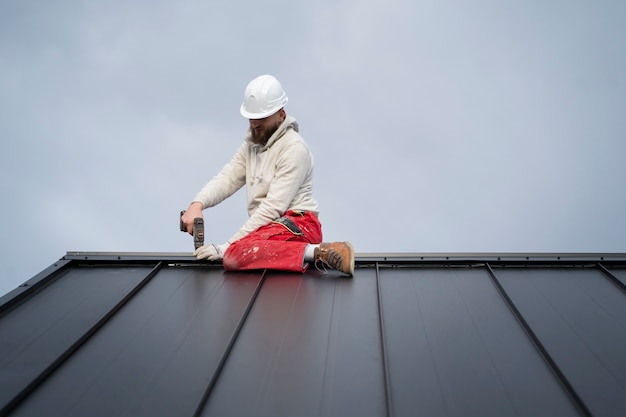
As a property owner, maintaining a safe and secure roof is crucial for protecting your investment and ensuring the well-being of your family. A comprehensive roof inspection is an essential step in identifying potential issues before they escalate into costly repairs. However, many homeowners are unaware of the key factors to consider during a roof inspection or how to identify potential problems. In this article, we will provide a step-by-step guide on how to conduct a thorough roof inspection, highlighting the importance of regular maintenance and providing expert advice on how to address any issues that may arise.
Pre-Inspection Preparation
Before conducting a roof inspection, it is essential to prepare yourself with the right tools and knowledge. Start by gathering a list of potential issues to look out for, such as missing or damaged shingles, curled or buckled shingles, and signs of wear around chimneys, vents, and skylights. You can Discover expert strategies here on how to identify common roof problems and develop a plan for addressing them.
Visual Inspection
The visual inspection is the most critical part of the roof inspection process. Begin by examining the roof from the ground, looking for any signs of damage or wear. Check for missing or damaged shingles, curled or buckled shingles, and signs of wear around chimneys, vents, and skylights. Be sure to check for any signs of animal infestation, such as nests or droppings. If you notice any issues, take note of them and make a plan for addressing them. For more information on how to identify common roof problems, visit Learn about our tailored solutions.
- Check for missing or damaged shingles
- Look for curled or buckled shingles
- Inspect chimneys, vents, and skylights for signs of wear
- Check for animal infestation
Roofing Materials and Condition
When inspecting the roofing materials, look for signs of wear, damage, or deterioration. Check the condition of the shingles, flashing, and underlayment, and note any areas that require repair or replacement. Be sure to inspect the condition of the gutters and downspouts, as clogged gutters can cause water to accumulate on the roof, leading to damage and rot. For more information on how to inspect and maintain your roofing materials, visit Explore advanced guides and tips.
- Check the condition of shingles, flashing, and underlayment
- Inspect gutters and downspouts for clogs
- Look for signs of wear or damage on roofing materials
Inspecting Roof Penetrations
Roof penetrations, such as chimneys, vents, and skylights, can be vulnerable to damage and wear. Inspect these areas carefully, looking for signs of damage, wear, or deterioration. Check the flashing around these areas, making sure it is secure and watertight. For more information on how to inspect and maintain roof penetrations, visit Find out more about this approach.
- Inspect chimneys, vents, and skylights for signs of damage or wear
- Check flashing around roof penetrations
- Look for signs of animal infestation
Post-Inspection Review and Maintenance
After completing the roof inspection, review your findings and prioritize any necessary repairs or maintenance. Develop a plan for addressing any issues that may have been identified, including scheduling repairs and replacement of roofing materials. Regular maintenance is key to extending the life of your roof and preventing costly repairs. Be sure to check out customer reviews on our GBP page (Check out customer reviews here) to see what others are saying about us.
By following these comprehensive roof inspection guidelines, you can ensure your roof is safe, secure, and well-maintained. Remember to regularly inspect your roof and address any issues promptly to prevent costly repairs and extend the life of your roof. For more information on how to maintain your roof and prevent common problems, visit Discover expert strategies here.