Effective Bed Bug Treatment Options for a Pest-Free Home
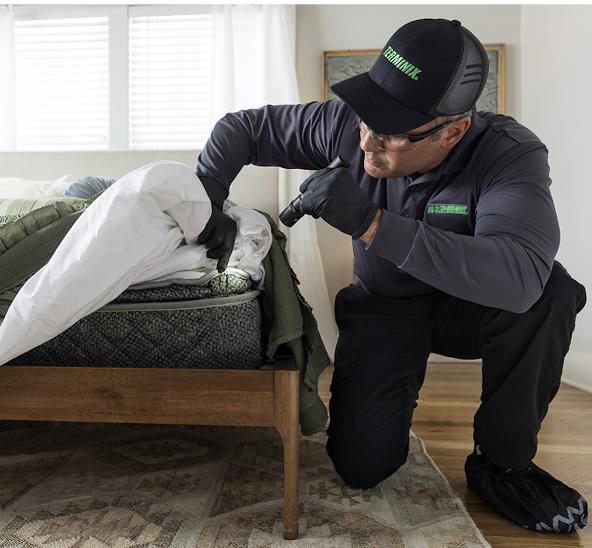
Bed bugs are a common problem in households, and their presence can cause discomfort and stress. These tiny pests are known for being elusive and resilient, making them challenging to eradicate. However, with the right treatment options and strategies, a pest-free home is achievable. This article will explore effective bed bug treatment solutions that can help eliminate these unwanted guests and restore comfort to your living space.
Understanding Bed Bug Infestation
Before diving into treatment options, it’s important to understand the nature of bed bug infestations. Bed bugs are small, reddish-brown insects that feed on human blood. They are experts at hiding in cracks and crevices, making detection difficult. Common signs of an infestation include:
- Small, itchy welts on the skin, usually in a line or cluster.
- Dark spots or stains on bedding, which are fecal marks from the bed bugs.
- Exoskeletons or shed skins, indicating the presence of these pests.
- A sweet, musty odor in the room, often a sign of a large infestation.
Effective Bed Bug Treatment Options
Treating bed bugs requires a comprehensive approach that combines several methods for maximum effectiveness. Below are some of the most reliable treatment options:
Chemical Treatments
Using bed bug treatment chemicals is a common approach in managing infestations. Professional-grade insecticides are often more effective than over-the-counter options. It’s essential to follow the instructions carefully and consider hiring a professional pest control service for application to ensure safety and effectiveness.
Heat Treatment
Heat treatment is a non-chemical method that involves raising the temperature of an infested area to a level that is lethal to bed bugs. This method is effective because it penetrates areas where bed bugs hide, such as mattresses and furniture. It is important to use professional services for heat treatment to avoid damage to belongings and ensure thoroughness.
Steam Treatment
Using steam is another non-chemical option that can be highly effective. Bed bugs are vulnerable to high temperatures, and a steam cleaner can kill them on contact. This method is ideal for treating mattresses, box springs, and other soft furnishings. Ensure the steam reaches a temperature of at least 160??F for optimal results.
Encasements
Mattress and box spring encasements are special covers that trap bed bugs, preventing them from escaping or feeding. These encasements are an excellent preventive measure and can be used in conjunction with other treatments to ensure that the infestation does not spread.
Vacuuming
Regular vacuuming can help reduce the number of bed bugs and their eggs. Focus on areas where bed bugs are likely to hide, such as seams of mattresses, edges of carpets, and furniture. After vacuuming, immediately dispose of the vacuum bag in a sealed plastic bag to prevent re-infestation.
Preventive Measures
After successfully treating a bed bug infestation, implementing preventive measures is crucial to avoid future issues. Some effective strategies include:
- Regularly inspecting bedding and furniture for signs of bed bugs.
- Keeping clutter to a minimum, as it provides hiding places for bed bugs.
- Using protective covers on mattresses and pillows.
- Laundering bedding and clothing in hot water regularly.
Conclusion
Dealing with a bed bug infestation can be daunting, but with the right bed bug treatment options and preventive strategies, a pest-free home is attainable. Combining chemical and non-chemical methods, along with preventive measures, can effectively eliminate bed bugs and prevent their return. For persistent infestations, consulting with professional pest control services can provide additional solutions to ensure your home remains comfortable and safe.