Effective Moisture Map Restoration Techniques for Water Damage
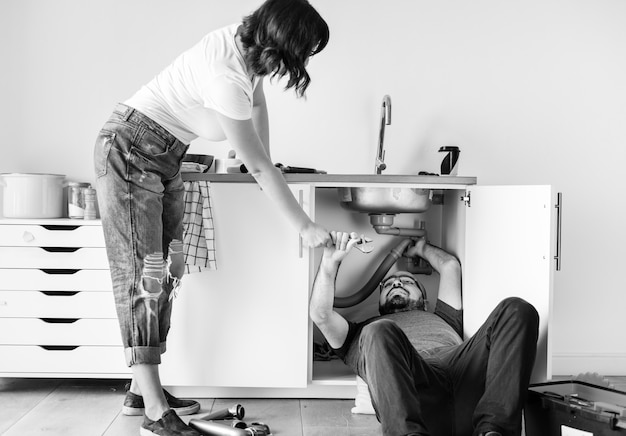
Water damage is a critical issue that can severely impact the structural integrity and aesthetic value of properties. Addressing such damage efficiently requires a comprehensive understanding of moisture mapping and its restoration techniques. Moisture mapping serves as a pivotal tool in identifying the extent of water intrusion, enabling targeted and effective restoration strategies. This article delves into various moisture map restoration techniques that are essential for mitigating water damage and preserving property value.
Understanding Moisture Mapping
Moisture mapping is a sophisticated process that involves the use of specialized equipment to detect and quantify moisture levels in affected areas. This technique is crucial in:
- Identifying the specific locations and severity of water damage.
- Guiding the restoration process to focus on the most affected areas.
- Preventing further damage by addressing hidden moisture that may not be visible to the naked eye.
Discover expert strategies here to understand the importance of moisture mapping in water damage restoration.
Key Techniques in Moisture Map Restoration
1. Infrared Thermography
Infrared thermography is an invaluable technique in moisture map restoration. This non-invasive method uses thermal imaging cameras to detect temperature variations caused by moisture. The benefits include:
- Quick identification of wet areas without physical intrusion.
- Ability to cover large areas efficiently.
- Provision of visual documentation that aids in assessing the extent of damage.
Find out more about this approach by visiting this resource.
2. Moisture Meters
Moisture meters are essential tools in the restoration process. They provide accurate measurements of moisture content in materials, which helps in:
- Determining the level of saturation in building materials.
- Guiding the drying process by providing real-time data.
- Ensuring that materials are adequately dried before restoration.
Learn about our tailored solutions and how moisture meters play a crucial role by exploring advanced guides and tips.
Effective Restoration Strategies
1. Targeted Drying Techniques
Targeted drying involves using equipment such as air movers and dehumidifiers to focus on specific areas identified by moisture mapping. This method is effective because it:
- Minimizes the drying time required.
- Reduces the risk of mold growth by removing excess moisture promptly.
- Preserves structural elements and prevents further deterioration.
2. Continuous Monitoring
Continuous monitoring is crucial to ensure that the drying process is progressing as planned. This involves:
- Regularly using moisture meters to track moisture levels.
- Adjusting drying strategies based on real-time data.
- Reducing the risk of secondary damage.
To explore more about these methods, visit this link.
Conclusion
Implementing effective moisture map restoration techniques is essential for addressing water damage efficiently and preserving the value of affected properties. By utilizing advanced tools and targeted strategies, restoration becomes more precise and effective. For those interested in understanding more about these techniques, discover expert strategies here. Additionally, readers can check out customer reviews here to see what others are saying about these techniques and services.
Post Comment