Expert Commercial Land Grading Services
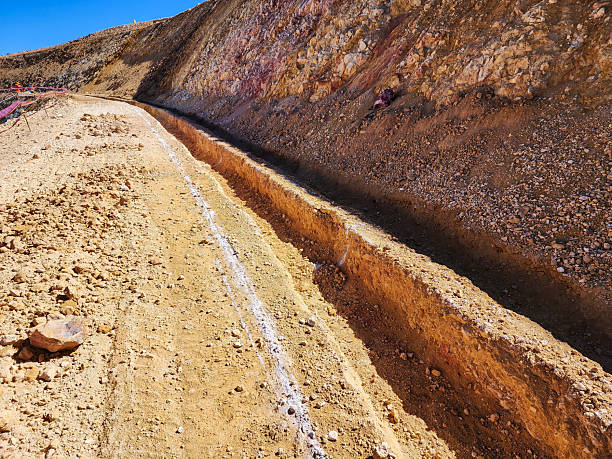
In the world of commercial construction, land grading is a crucial pre-construction process that ensures the success and sustainability of a project. Proper land grading is essential for preparing the land for construction, preventing water accumulation, and ensuring safe and stable structures. Expert commercial land grading services are indispensable for developers who are committed to achieving long-term structural integrity and functional landscapes. These services provide tailored solutions that address the unique challenges of each site, taking into account soil composition, drainage, and environmental considerations.
The Importance of Professional Land Grading
Land grading is not merely about leveling the ground. It involves a comprehensive assessment and manipulation of the land to ensure it is suitable for construction. Here?s why professional land grading is crucial:
- Prevents Water Damage: Proper grading ensures effective water runoff, preventing water accumulation that can lead to erosion or damage to the foundation.
- Enhances Structural Stability: By creating a leveled base, grading provides the necessary support for buildings, roads, and other structures.
- Environmental Impact: Expert grading considers ecological balance, reducing the risk of landslides and preserving natural watercourses.
Key Considerations in Commercial Land Grading
Site Assessment
Before any grading work begins, a detailed site assessment is conducted. This involves analyzing the soil type, topography, and existing vegetation. Understanding these factors is crucial to developing a grading plan that meets the specific needs of the site. Discover expert strategies here.
Drainage Planning
One of the primary goals of grading is to ensure proper drainage. This involves designing slopes and contours that direct water away from structures, reducing the risk of flooding. Effective drainage planning is a hallmark of experienced grading services.
Soil Composition and Compaction
The soil?s composition affects its stability and drainage capabilities. Grading professionals assess the soil and, if necessary, compact or amend it to ensure it meets the required standards for construction. Learn about tailored solutions here.
Advanced Techniques in Land Grading
Modern land grading services employ advanced techniques and equipment to achieve precision and efficiency. Some of these include:
- Laser Grading: Utilizes laser-guided systems to achieve precise leveling, essential for large-scale commercial projects.
- GPS Technology: Enhances accuracy in grading, ensuring the land is sculpted to exact specifications.
- Hydroseeding: A method used post-grading to stabilize soil and promote vegetation growth, which helps prevent erosion.
Explore advanced guides and tips on these techniques here.
Choosing the Right Land Grading Service
Selecting the appropriate service provider is key to achieving successful land grading. Consider these factors:
- Experience and Expertise: Look for providers with a proven track record in handling diverse grading projects.
- Equipment and Technology: Ensure they utilize modern equipment and techniques for precision grading.
- Customized Solutions: The service should offer tailored solutions that meet the specific needs of your project. Find out more about this approach here.
Conclusion
Commercial land grading is an integral component of the construction process that requires professional expertise and cutting-edge technology. By understanding the importance of grading, the considerations involved, and the advanced techniques available, developers can ensure the success and sustainability of their projects. For those embarking on a commercial construction project, engaging with expert grading services is a step toward achieving optimal land preparation and long-term structural success.
Post Comment