Improving Employee Retention with an Effective Benefits Platform
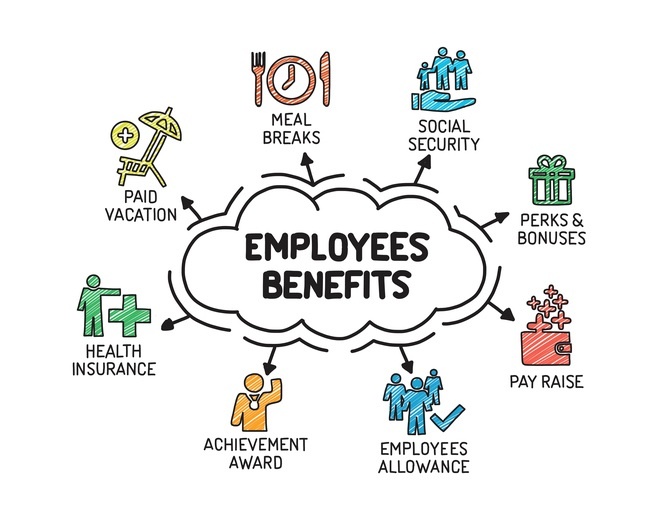
Employee retention has become a critical focus for organizations aiming to sustain growth and maintain competitive advantage. In today”?s job market, where opportunities abound, businesses are increasingly aware of the need to create a supportive and engaging work environment. A comprehensive and effective benefits platform can be a significant factor in achieving this goal. When properly implemented, it not only helps in retaining talent but also enhances employee satisfaction and productivity. This article delves into the importance of an effective benefits platform and how it can improve employee retention.
Understanding the Role of a Benefits Platform
A benefits platform serves as a centralized system where employees can access information about their benefits, enroll in programs, and manage their choices. It is more than a mere repository of information; it is a strategic tool that can impact employee satisfaction and retention.
Key Features of an Effective Benefits Platform
- Comprehensive Coverage: A platform offering a wide range of benefits, including health insurance, retirement plans, and wellness programs, caters to diverse employee needs.
- User-Friendly Interface: Easy navigation and intuitive design help employees access information effortlessly.
- Personalization: Tailoring benefits to individual employee preferences increases engagement and satisfaction.
- Accessibility: Mobile-friendly platforms ensure employees can manage their benefits on the go.
- Transparent Information: Clear communication about benefits helps employees make informed decisions.
For a detailed guide on designing an effective benefits platform, learn more in this detailed guide.
Impact on Employee Retention
An effective benefits platform plays a crucial role in retaining employees by meeting their diverse needs and enhancing their overall work experience. Here are some ways it contributes to employee retention:
- Enhanced Engagement: When employees feel their needs are understood and met, they are more likely to stay engaged and motivated.
- Increased Loyalty: Offering benefits that resonate with employees’ personal and professional goals fosters a sense of loyalty towards the organization.
- Reduced Turnover Costs: A stable workforce minimizes the costs and disruptions associated with high employee turnover.
- Improved Work-Life Balance: Benefits like flexible work arrangements and wellness programs help employees balance work with personal responsibilities, reducing burnout and increasing retention.
Read more about this topic here.
Implementing an Effective Benefits Platform
Implementing an effective benefits platform requires careful planning and execution. Here are some strategies to ensure success:
Assess Employee Needs
Before establishing a benefits platform, it”?s essential to understand the specific needs and preferences of the workforce. Conducting surveys and feedback sessions can provide valuable insights into what employees value most in their benefits package.
Integrate with Existing Systems
An effective benefits platform should seamlessly integrate with existing HR and payroll systems. This integration ensures a smooth flow of information and minimizes administrative burdens.
Promote Awareness
Employees should be well-informed about the benefits available to them. Regular communication through emails, workshops, and webinars can help promote awareness and engagement.
For further insights on how to effectively implement a benefits platform, explore further insights here.
Conclusion
An effective benefits platform is an essential component of a successful employee retention strategy. By providing comprehensive and personalized benefits, organizations can enhance employee satisfaction, reduce turnover, and build a loyal workforce. In a competitive job market, investing in a robust benefits platform is not just a strategic advantage but a necessity. Find additional information here on how to leverage a benefits platform to improve employee retention and drive organizational success.