Interactive Sensory Play Ideas for Baby Development
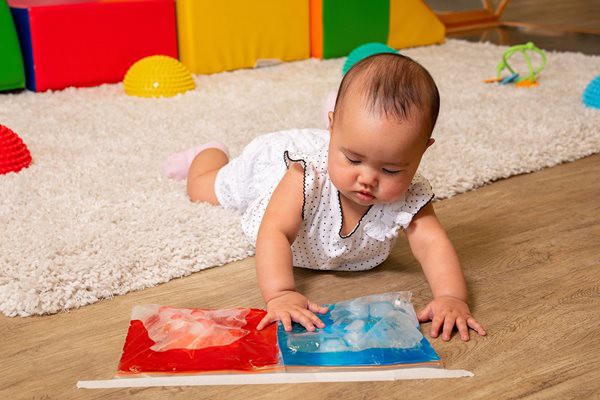
In the world of early childhood development, sensory play is an essential tool that engages a child’s senses and supports their growth and learning in a holistic manner. Sensory play activities are not only fun but also crucial in enhancing cognitive, physical, social, and emotional development. By engaging in sensory play, babies can explore the world around them, developing crucial skills they will use throughout their lives. This article delves into a range of interactive sensory play ideas that can aid in the development of babies, providing valuable insights for parents, caregivers, and educators.
The Importance of Sensory Play
Sensory play is an integral part of a child’s early development. It involves activities that stimulate the senses?sight, sound, touch, taste, and smell. These activities help children to:
- Develop fine and gross motor skills.
- Enhance language acquisition and communication skills.
- Boost problem-solving and cognitive abilities.
- Encourage social interaction and emotional regulation.
By integrating sensory play into daily routines, children can benefit from a more enriched learning environment. Discover expert strategies here to incorporate sensory activities effectively.
Interactive Sensory Play Ideas
1. Tactile Play with Textures
Introducing babies to different textures can be a delightful experience. Consider the following activities:
- Texture Boards: Create a board with various materials like fabric, sandpaper, and bubble wrap. Babies can explore these textures with their hands and feet.
- Sensory Bags: Fill resealable bags with materials like gel, glitter, and beads. Ensure the bags are securely closed before allowing babies to squish and manipulate them.
Tactile play not only entertains but also enhances sensory perception. Learn about our tailored solutions for creating safe and engaging tactile experiences.
2. Sound Exploration
Sound-based activities can significantly contribute to auditory development. Here are some ideas:
- Homemade Instruments: Create simple instruments like shakers with rice or beans in sealed containers. Babies can enjoy shaking them to create sound.
- Listening Games: Play different sounds and help babies identify them, encouraging active listening and recognition skills.
Sound exploration can be both educational and entertaining. Explore advanced guides and tips on enhancing auditory skills through play.
3. Visual Stimulation Activities
Visual stimulation can be achieved through engaging activities that capture a baby’s attention:
- Colorful Mobiles: Hang mobiles with bright colors and interesting shapes above the crib or play area.
- Light and Shadow Play: Use flashlights or natural light to create shadows, encouraging babies to track and focus on movement.
These activities support visual tracking and focus development. Find out more about this approach to visual stimulation.
Incorporating Sensory Play into Daily Routines
Integrating sensory play into everyday activities can maximize developmental benefits. Here are some tips:
- Include sensory elements in bath time, such as different water temperatures or bath toys with various textures.
- Use mealtime as an opportunity for sensory exploration with different food textures and colors.
- Create a dedicated sensory play area with easy-to-access materials and activities.
Incorporating these ideas into daily routines can provide consistent sensory stimulation, enhancing a child’s development. Explore advanced guides and tips to seamlessly integrate these practices.
In conclusion, sensory play is a vital component of early childhood development. By engaging in these activities, babies can enhance their sensory processing, motor skills, and cognitive abilities. With the right strategies and resources, parents and caregivers can create a nurturing environment that supports holistic growth and learning.
Post Comment