Master Multi Engine Flight Training: A Comprehensive Guide
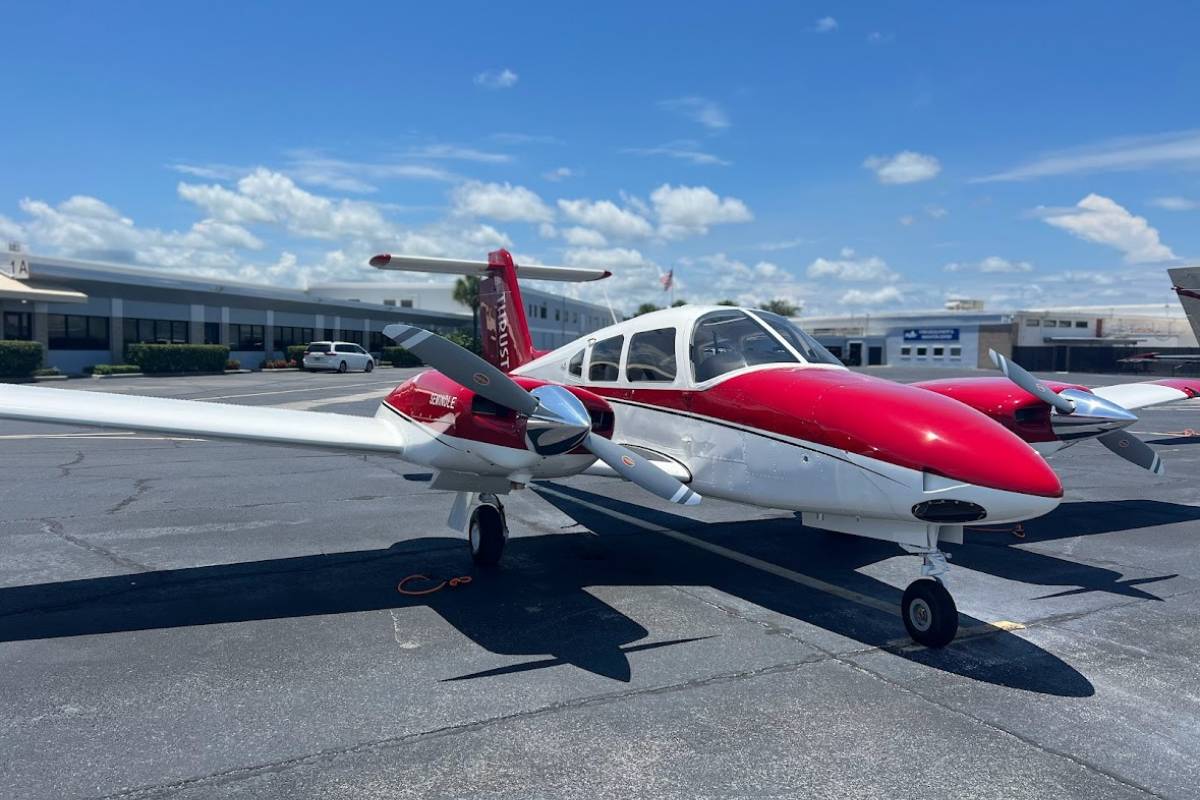
Mastering multi-engine flight training is a crucial step for pilots aiming to advance their aeronautical skills and broaden their aviation careers. This training not only enhances a pilot’s ability to handle more complex aircraft but also opens opportunities for more diverse flying experiences. Whether transitioning from single to multi-engine planes or seeking to refine existing skills, a comprehensive understanding of multi-engine operations is essential. The following guide delves into the core components of multi-engine flight training, offering valuable insights and expert suggestions for aspiring aviators.
Understanding Multi-Engine Aircraft
Multi-engine aircraft provide greater power, safety, and range compared to single-engine planes. Pilots must familiarize themselves with the distinct characteristics of these aircraft to ensure successful operation.
- Engine Configuration: Multi-engine planes typically have two or more engines. Understanding the configuration and how each engine affects flight dynamics is crucial.
- Redundancy and Safety: In the event of an engine failure, multi-engine planes offer increased safety due to their redundancy.
- Increased Complexity: The systems in multi-engine aircraft are more complex, necessitating a higher level of technical knowledge.
Key Components of Multi-Engine Training
Effective multi-engine flight training encompasses several key components designed to equip pilots with the necessary skills and knowledge.
Theoretical Knowledge
The initial phase involves building a strong foundation of theoretical knowledge. Pilots need to understand aerodynamics, engine operations, and emergency procedures specific to multi-engine aircraft.
- Study of aerodynamic principles and how they apply to multi-engine aircraft.
- In-depth understanding of engine systems and performance.
- Comprehensive review of emergency protocols and procedures.
Practical Flight Training
Practical flight training provides hands-on experience under the guidance of experienced instructors. This phase typically includes:
- Mastering takeoff and landing techniques in various conditions.
- Simulating engine-out procedures to develop emergency response skills.
- Practicing flight maneuvers specific to multi-engine planes.
- Executing cross-country flights to enhance navigation and operational skills.
Pilots can find out more about this approach to ensure a thorough understanding and readiness for the challenges of multi-engine flying.
Advanced Techniques and Considerations
Beyond the basics, advanced techniques play a vital role in mastering multi-engine operations. Pilots should be aware of the following:
Aerodynamic Management
Understanding the aerodynamic nuances of multi-engine aircraft, such as asymmetrical thrust, is vital. Pilots should:
- Learn to manage yaw and maintain control during engine failure scenarios.
- Practice coordinated flight maneuvers to ensure stability and control.
Engine-Out Procedures
One of the most critical aspects of multi-engine training is mastering engine-out procedures. Pilots should:
- Conduct regular drills and simulations to build confidence and competence.
- Learn to identify and troubleshoot potential engine issues swiftly.
Explore advanced guides and tips to further refine these skills.
Choosing the Right Training Program
Selecting the appropriate training program is essential for successful mastery of multi-engine flight. Consider the following factors:
- Instructor Experience: Opt for programs with seasoned instructors who have extensive experience in multi-engine operations.
- Comprehensive Curriculum: Ensure the training covers both theoretical and practical aspects comprehensively.
- Training Fleet: Verify the availability and condition of multi-engine aircraft used for training.
Pilots can discover expert strategies here to help select a program that aligns with their goals and needs.
In conclusion, mastering multi-engine flight training is an invaluable step for pilots seeking to elevate their skills and career opportunities. By understanding the complexities of multi-engine aircraft, engaging in rigorous training, and selecting the right program, pilots can achieve proficiency in this advanced aviation discipline. Learn about our tailored solutions to ensure successful training outcomes.
Post Comment