Mastering Behavior Modification in Dog Training
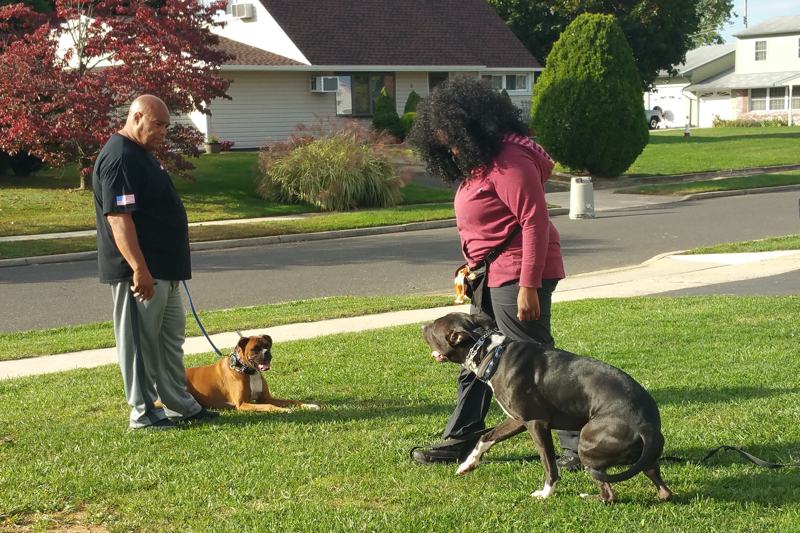
Dog training is a critical part of nurturing a harmonious relationship between pets and their owners. Among the various techniques used in training, behavior modification stands out as a powerful approach to correct undesirable behaviors and encourage positive ones. Understanding the principles and methodologies involved in behavior modification can transform pet training efforts, ensuring a well-behaved companion. In this article, the focus is on mastering behavior modification techniques to enhance the training experience and achieve desirable results.
Understanding Behavior Modification
Behavior modification in dog training involves altering a dog’s behavior through a structured approach of reinforcement and consequence. Here are some key principles:
- Positive Reinforcement: Rewarding desirable behavior to increase its frequency. This could be in the form of treats, praise, or play.
- Negative Reinforcement: Removing an unpleasant stimulus when the desired behavior occurs, encouraging the dog to repeat that behavior.
- Punishment: Introducing an unpleasant consequence to reduce the occurrence of an undesirable behavior. However, this approach should be used with caution.
- Extinction: Ignoring the behavior to reduce its occurrence, often used when a behavior is reinforced by attention.
To gain a deeper understanding of these techniques and their application, discover expert strategies here.
Implementing Behavior Modification Techniques
Effective implementation of behavior modification requires a systematic approach. The following steps can guide the process:
1. Identify the Behavior
Begin by clearly defining the behavior that needs modification. This could be excessive barking, jumping on guests, or leash pulling. Identifying the behavior is crucial for determining the appropriate modification strategy.
2. Determine the Cause
Understanding the root cause of the behavior is essential. Is it due to fear, boredom, or lack of exercise? Once the cause is known, tailor the modification strategy accordingly. Explore advanced guides and tips for more insights into identifying behavioral triggers.
3. Develop a Training Plan
Create a structured plan that includes specific goals, timelines, and reinforcement strategies. Consistency is key, and the plan should be followed diligently to ensure success.
4. Monitor Progress
Regularly assess the dog’s progress against the set goals. If a strategy is not working, be flexible and modify the approach as necessary. Learn about our tailored solutions to adjust training plans effectively.
Common Challenges and Solutions
Behavior modification in dog training is not without its challenges. Here are some common issues and their solutions:
- Lack of Consistency: Ensure that all family members are consistent in applying training techniques to avoid confusion for the dog.
- Patience: Behavior modification takes time. Patience is crucial, and progress may be slow initially.
- Complex Behaviors: Some behaviors may be deeply ingrained and require professional intervention. Find out more about this approach if professional help is needed.
Conclusion
Mastering behavior modification in dog training can lead to a more rewarding relationship with your pet. By understanding and applying the right techniques, undesirable behaviors can be reduced or eliminated, paving the way for positive interactions. Whether through personal effort or professional assistance, behavior modification is a vital component of comprehensive dog training. For those seeking further guidance, numerous resources are available to support both new and experienced dog owners in this rewarding journey.
Post Comment