Mold Clean Up Made Easy: Effective Strategies for Removal
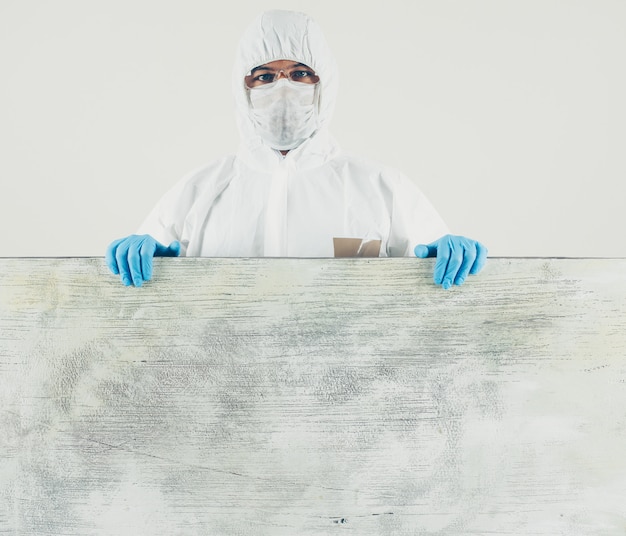
Dealing with mold can be a challenging task for homeowners and businesses alike. Mold not only damages property but also poses serious health risks, making its removal a priority. Understanding effective strategies for mold cleanup can simplify this daunting task. This article provides a comprehensive guide to mold removal, ensuring that the process is both effective and safe.
Understanding Mold and Its Impact
Mold is a type of fungus that thrives in moist environments. It can grow on various surfaces, including walls, ceilings, and floors, especially in areas with poor ventilation. The presence of mold can lead to structural damage and health issues such as allergies and respiratory problems.
Why Mold Grows
The primary reasons for mold growth include:
- High humidity levels
- Water leaks and flooding
- Poor ventilation
- Condensation buildup
Addressing these underlying causes is crucial for effective mold prevention and removal. Discover expert strategies here for tackling these issues.
Effective Mold Cleanup Strategies
Cleaning up mold requires a systematic approach to ensure thorough removal and prevent recurrence. Here are key strategies:
1. Assess the Situation
Before starting mold cleanup, it is essential to assess the extent of the damage. This involves identifying the source of moisture and the type of mold present. Professional inspection services can provide a detailed analysis, which is crucial for determining the right remediation approach. Learn about our tailored solutions for accurate mold assessment.
2. Use Appropriate Cleaning Agents
Not all cleaning agents are effective against mold. It is important to use products specifically designed for mold removal. These may include:
- Commercial mold removers
- Bleach solutions (for non-porous surfaces)
- Natural solutions like vinegar and baking soda
Always follow the manufacturer’s instructions and wear protective gear when handling these chemicals.
3. Ensure Proper Ventilation
Good ventilation is crucial during mold cleanup to prevent spore dispersal and ensure safety. Open windows and use fans to promote air circulation. This step is essential for both the cleanup process and future mold prevention. Explore advanced guides and tips on maintaining proper ventilation.
4. Remove and Replace Damaged Materials
In cases of severe mold infestation, it may be necessary to remove and replace materials like drywall, tiles, or carpeting. This is especially important when mold has penetrated porous surfaces, making it difficult to clean effectively. Find out more about this approach to ensure comprehensive remediation.
Preventing Future Mold Growth
Once the mold has been removed, taking steps to prevent its return is crucial. Here are some prevention strategies:
- Maintain indoor humidity levels below 60%
- Fix leaks and water issues promptly
- Ensure adequate ventilation in bathrooms and kitchens
- Regularly clean and inspect areas prone to moisture
Implementing these measures can effectively reduce the risk of mold recurrence and protect your property from future damage.
Conclusion
Mold cleanup can be a manageable task when approached with the right strategies and knowledge. By understanding the causes of mold growth and implementing effective removal techniques, individuals can protect their health and property. For those seeking professional guidance and comprehensive solutions, resources are available to assist in every step of the process. Explore advanced guides and tips to ensure a safe and effective mold remediation journey.
Post Comment