Multivitamins for Kids vs. Adults: Why Children Need Their Own Formula
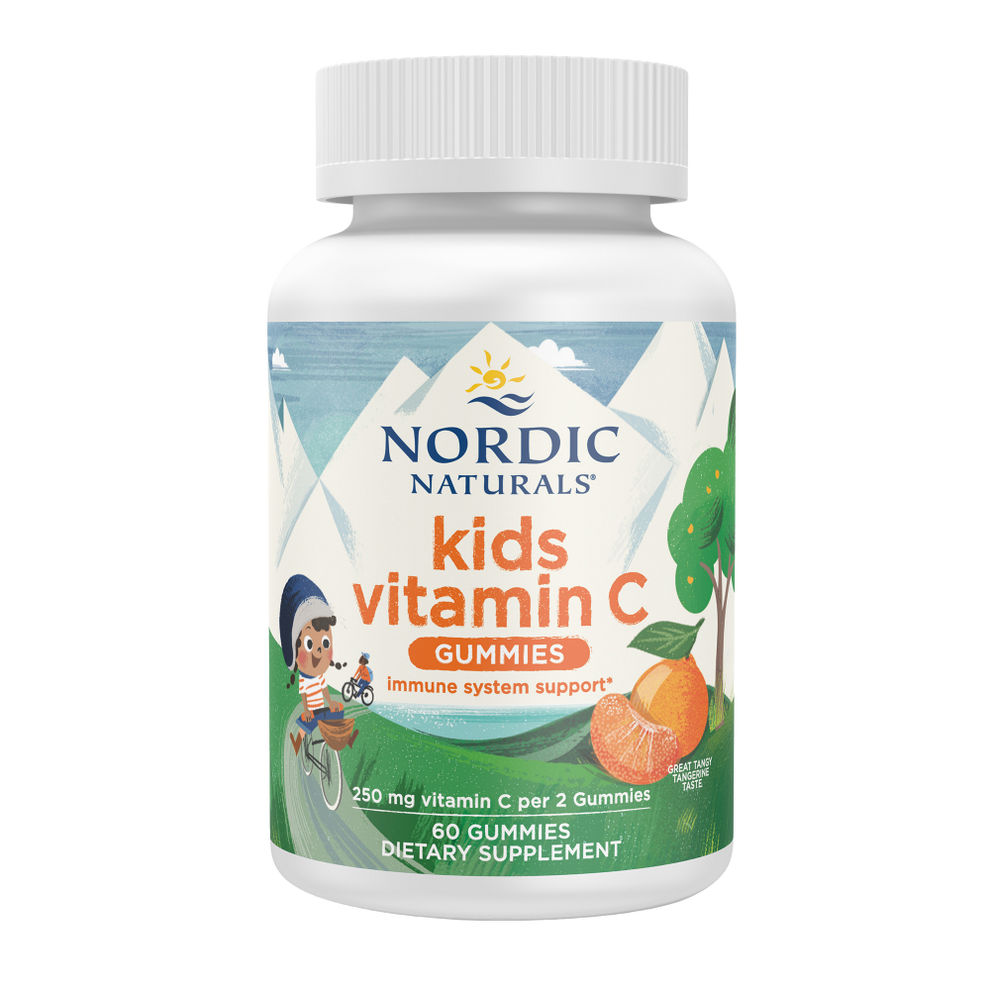
Choosing the right multivitamin can feel like navigating a maze of scientific jargon, marketing claims, and conflicting advice. While adults often assume that a single formula can serve the whole family, children have unique nutritional needs that evolve rapidly during growth phases. Understanding these differences is essential for supporting optimal development, immune health, and long-term wellbeing. This article explores why children require their own specially formulated multivitamins, how those formulas differ from adult versions, and what factors parents should consider when selecting a supplement for their little ones.
Key Biological Differences Between Kids and Adults
Growth Rate and Nutrient Demand
- Rapid bone development: Children need higher levels of calcium, vitamin D, and magnesium per kilogram of body weight to support bone density and growth plates.
- Brain maturation: Essential fatty acids, B-vitamins, and iron are critical for neural pathways, concentration, and cognitive performance.
- Immune system shaping: Vitamin C, zinc, and selenium play a larger role in children’s developing immune defenses.
Metabolic Processing
- Enzyme activity in kids differs, affecting how vitamins are absorbed and utilized.
- Higher metabolic rates mean nutrients are turned over more quickly, requiring formulations that release nutrients steadily throughout the day.
Formulation Differences: What Sets Kids’ Multivitamins Apart?
- Dosage scaling: Pediatric formulas use age-appropriate dosages to avoid toxicity, especially for fat-soluble vitamins A, D, E, and K.
- Ingredient selection: Child-focused blends often include lutein for eye health, DHA for brain development, and prebiotic fibers to support gut health.
- Palatability: Natural fruit flavors, chewable tablets, or gummy forms encourage consistent intake without the need for forced consumption.
- Safety considerations: Absence of allergens, artificial colors, and unnecessary fillers reduces the risk of adverse reactions.
When to Consider a Multivitamin for Children
Even with a balanced diet, certain situations call for supplemental support:
- Selective eaters who avoid vegetables, dairy, or whole grains.
- Children with diagnosed deficiencies (e.g., iron-deficiency anemia).
- Periods of rapid growth, such as puberty, when nutrient needs spike.
- Limited sunlight exposure, which can lower vitamin D synthesis.
Consulting a pediatrician is advisable before starting any supplement regimen, ensuring that the chosen product aligns with the child’s health profile.
Choosing the Right Product: Practical Guidelines
Check the Label for Age-Specific Recommendations
Look for clear age brackets (e.g., 2-5 years, 6-12 years) and verify that the listed percentages of the Recommended Daily Allowance (RDA) match professional guidelines.
Prioritize Quality and Transparency
Brands that provide third-party testing results, detailed ingredient sourcing, and manufacturing standards offer greater assurance of safety and efficacy.
Consider Delivery Format
- Chewable tablets for toddlers who can’t swallow pills.
- Gummies for school-age children who prefer a tasty snack.
- Liquid drops for infants or children with swallowing difficulties.
Integrate with Whole-Food Nutrition
Supplements should complement, not replace, a diet rich in fruits, vegetables, lean proteins, and whole grains. Pairing a multivitamin with balanced meals maximizes nutrient absorption.
Benefits of Using a Dedicated Kids’ Multivitamin
- Supports consistent nutrient intake during picky-eating phases.
- Helps fill gaps caused by dietary restrictions (e.g., vegetarian or dairy-free diets).
- Promotes healthy immune function, reducing the frequency of minor illnesses.
- Facilitates optimal bone and dental development through adequate calcium and vitamin D.
- Enhances cognitive performance, attention span, and mood stability.
Common Misconceptions
“If I take a multivitamin, my child can eat anything.” – Supplements are not a license to ignore nutrition fundamentals. They work best when paired with a varied diet.
“Adult multivitamins are just as good for kids.” – Adult formulations often contain higher doses of certain nutrients that can be harmful to children, such as iron or vitamin A.
Where to Find Reliable Kids’ Multivitamins
Specialized collections curated for children provide a convenient way to explore options that meet safety and efficacy standards. Discover expert strategies here. For deeper insight into formulation science, Learn about our tailored solutions. Parents seeking comprehensive guidance can also Explore advanced guides and tips. When ready to compare specific products, Find out more about this approach.
Conclusion
Children are not simply smaller adults; their bodies demand nutrients in different amounts, forms, and delivery methods. Selecting a multivitamin designed specifically for kids ensures that essential vitamins and minerals are provided safely, supporting growth, immunity, and overall health. By understanding the biological distinctions, evaluating product quality, and integrating supplements with a wholesome diet, parents can make informed decisions that foster their children’s long-term wellbeing.