Optimize Progress Tracking with Construction Reporting Software
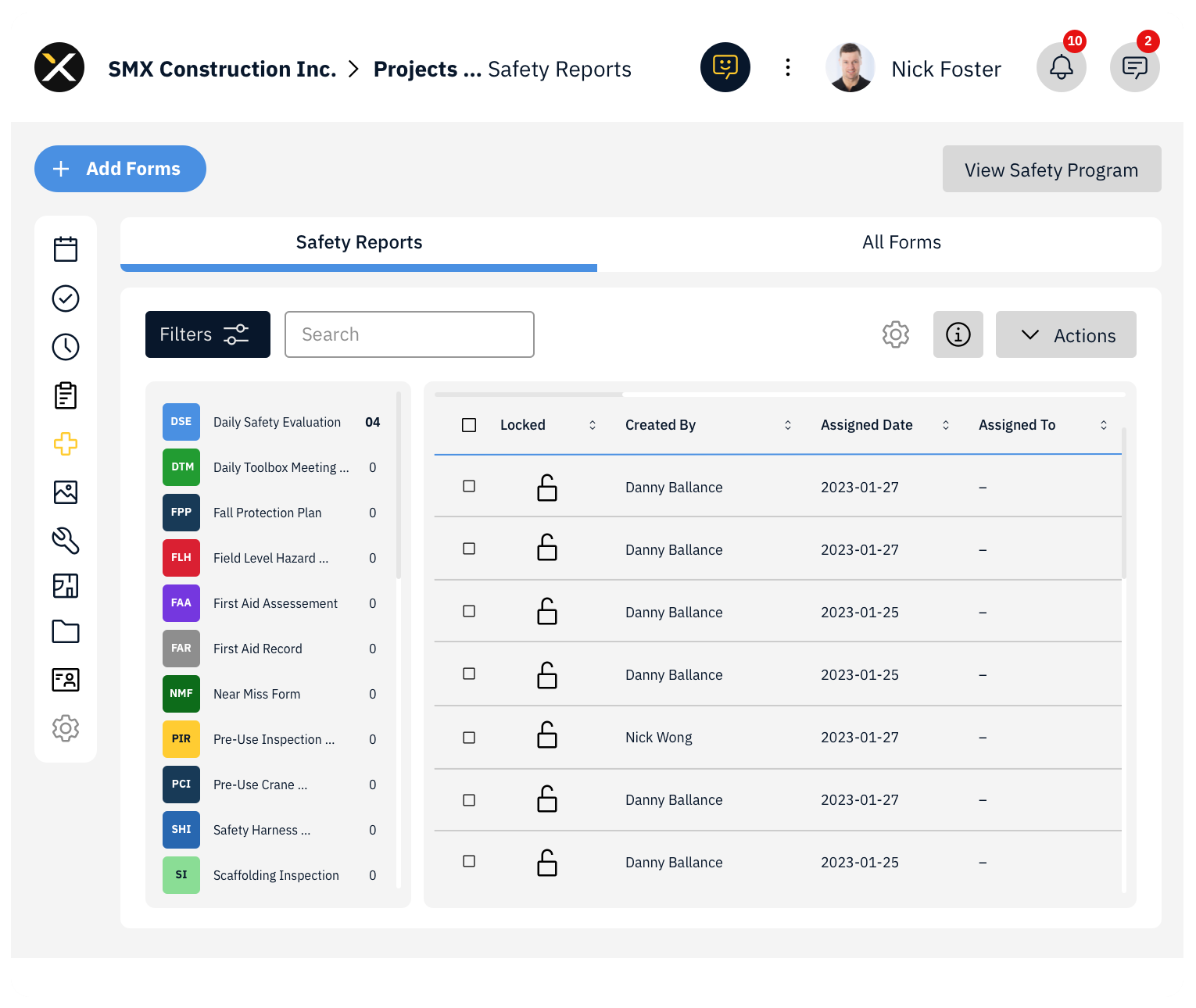
In the fast-paced world of construction, keeping track of progress is both a challenge and a necessity. As projects grow in complexity, the traditional methods of reporting and tracking become insufficient. This is where construction reporting software steps in, offering a robust solution to streamline and optimize progress tracking. By leveraging digital tools, construction teams can enhance efficiency, improve communication, and ensure that projects stay on schedule and within budget.
The Importance of Progress Tracking in Construction
Progress tracking is crucial for the successful completion of construction projects. It provides stakeholders with real-time insights into project status, helping to identify potential delays and resolve issues proactively. Effective tracking ensures that all components of a project align with the overall timeline and budget.
- Enhances transparency and communication among stakeholders.
- Identifies bottlenecks and areas for improvement.
- Ensures efficient resource allocation and management.
- Facilitates timely decision-making processes.
Benefits of Construction Reporting Software
Construction reporting software offers numerous advantages over traditional paper-based methods. It not only saves time but also drastically reduces errors associated with manual data entry. Explore advanced guides and tips here.
- Real-Time Data Access: Provides up-to-date information that is accessible from anywhere, ensuring that all parties are working with the latest data.
- Improved Collaboration: Facilitates better communication between team members and stakeholders, promoting a more cohesive work environment.
- Automated Reporting: Generates reports automatically, saving time and reducing the risk of human error.
- Customizable Dashboards: Offers tailored views and insights into project metrics, allowing for better decision-making.
How to Implement Construction Reporting Software
Implementing construction reporting software requires careful planning and execution. To maximize the benefits, it’s important to follow a strategic approach. Discover expert strategies here.
- Assess Needs: Evaluate the specific requirements of the project to determine the features and capabilities needed in the software.
- Select the Right Software: Choose a platform that aligns with the project goals and offers scalability for future needs.
- Train the Team: Provide comprehensive training to ensure all users are proficient with the new system.
- Monitor and Adjust: Regularly review the software’s performance and adjust settings as needed to optimize results.
Challenges and Solutions in Adopting New Software
Transitioning to a new software system can present challenges, such as resistance to change or integration issues with existing processes. However, these challenges can be mitigated with a thoughtful approach. Learn about our tailored solutions here.
- Resistance to Change: Engage stakeholders early in the process and highlight the benefits of the new system to encourage buy-in.
- Integration with Existing Systems: Work with software providers to ensure seamless integration with current tools and processes.
- Data Security: Implement robust security measures to protect sensitive project data.
Conclusion
Construction reporting software is a game-changer for optimizing progress tracking. By embracing digital tools, construction companies can streamline operations, enhance communication, and ensure successful project outcomes. As the industry continues to evolve, the integration of such technologies will become increasingly vital. Find out more about this approach here.
Post Comment