Portable Pump and Water Heater Solutions for RVs
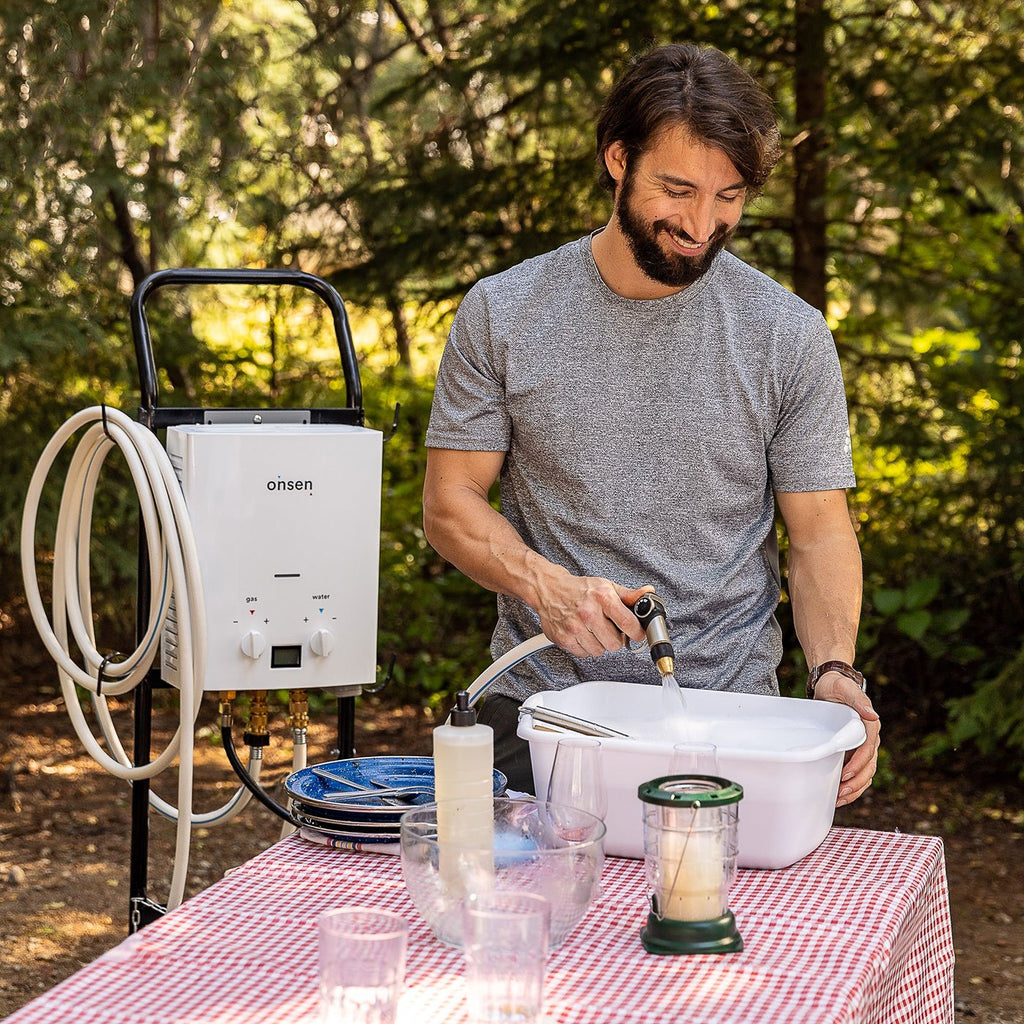
Traveling the open road offers unparalleled freedom, but it also demands reliable utilities that can keep pace with a mobile lifestyle. One of the most critical systems for any recreational vehicle (RV) is the water supply, which must deliver hot water on demand without draining precious battery power or fuel reserves. Modern portable pump and water heater combos provide a compact, energy-efficient answer, allowing RV owners to enjoy showers, dishwashing, and sanitation wherever the journey leads. This article explores the key considerations, benefits, and installation tips for integrating these solutions into an RV setup.
Why Choose a Portable Pump and Water Heater?
Traditional RV water heating relies on propane or large built-in tanks that add weight and consume valuable space. Portable units address these drawbacks by offering:
- Space efficiency: Compact designs fit under a cabinet or in a storage compartment.
- Energy flexibility: Many models run on 12 V DC, 120 V AC, or propane, letting users select the most convenient power source.
- On-demand heating: No need to pre-heat a tank; water is heated instantly as it flows.
- Reduced weight: Eliminates the bulk of a traditional water tank, improving fuel economy.
Key Features to Look For
1. Flow Rate and Temperature Rise
For comfortable showers, aim for a flow rate of at least 2.0 GPM (gallons per minute) with a temperature rise of 70-80 °F. Verify the manufacturer’s specifications to ensure the unit can meet these demands without excessive cycling.
2. Power Options
Many RVers prefer dual-fuel units that can switch between 12 V DC (drawn from the house battery) and propane. This flexibility ensures hot water is available even when shore power is unavailable.
3. Integrated Pump
A built-in pump eliminates the need for a separate water-boosting device. Look for models with adjustable pressure settings to accommodate varying water source heights and tank sizes.
Installation Overview
Installing a portable pump and water heater is a straightforward process that can be completed with basic hand tools. Follow these general steps, adapting as needed for the specific unit selected.
- Choose a location: Select a dry, well-ventilated area near the existing water line and power source. Common spots include under a kitchen countertop or in a dedicated utility compartment.
- Mount the unit: Use the supplied brackets or a sturdy shelf. Ensure the unit is level to prevent vibration.
- Connect water lines: Install a shut-off valve on the inlet, then attach the inlet hose to the RV’s fresh-water supply. Connect the outlet hose to the hot-water distribution line.
- Electrical wiring: Follow the manufacturer’s wiring diagram. For 12 V DC operation, connect to the house battery through an inline fuse. For AC, use a grounded outlet and a dedicated circuit breaker.
- Test the system: Open the shut-off valve, turn on the pump, and verify hot water flow and temperature. Check for leaks and adjust pressure settings as needed.
Maintenance Tips
- Flush the system monthly with a mixture of water and white vinegar to prevent mineral buildup.
- Inspect the pump’s impeller for debris, especially after using untreated water sources.
- Check electrical connections for corrosion, particularly in humid climates.
- Replace the anode rod (if equipped) annually to extend the heater’s lifespan.
Choosing the Right Model
When evaluating options, consider the balance between capacity, power consumption, and price. A well-reviewed choice that consistently meets RV needs is the portable water heater and pump from a reputable European manufacturer. This unit offers dual-fuel capability, a compact footprint, and a robust pump that maintains steady pressure even with low-flow water sources.
Real-World Applications
Full-Time Boondocking
For RVers who live off-grid, a portable water heater and pump provides hot water without relying on a generator. The 12 V DC mode draws minimal current, preserving battery life while still delivering a comfortable shower experience.
Family Road Trips
During long trips with multiple passengers, the ability to produce hot water on demand reduces wait times and keeps everyone satisfied. The integrated pump ensures consistent flow, even when the fresh-water tank is low.
Cost Considerations
Initial investment varies from $300 to $800, depending on features such as dual-fuel operation and advanced temperature controls. However, the long-term savings from reduced propane consumption and eliminated tank-refill trips often offset the upfront cost within a few seasons.
Conclusion
Integrating a portable pump and water heater into an RV setup delivers a blend of convenience, efficiency, and space savings that aligns perfectly with the mobile lifestyle. By selecting a unit with appropriate flow rates, flexible power options, and a reliable built-in pump, RV owners can enjoy endless hot water without compromising on weight or storage. Proper installation and routine maintenance will ensure the system remains dependable for years of adventure on the road.