The Impact of Telehealth Psychiatry on Patient Outcomes
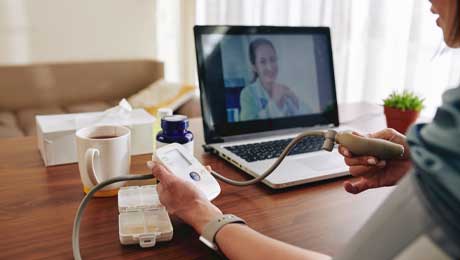
The advent of telehealth in psychiatry has transformed the landscape of mental health care delivery. With the increasing demand for mental health services, particularly in underserved areas, telehealth offers a viable solution to bridge the gap. The shift from traditional in-person sessions to digital platforms has been accelerated by advancements in technology and the need for accessible care. This transition has significant implications for patient outcomes, presenting both opportunities and challenges. As telehealth becomes more ingrained in psychiatric practices, it is crucial to understand its impact on patient care and outcomes.
Improved Access to Care
One of the most significant impacts of telehealth psychiatry is the improved accessibility of mental health services. Patients in remote or rural areas, where psychiatric resources are often limited, can now access specialists without the need for extensive travel. This convenience is not only time-saving but also reduces transportation costs, which can be a barrier to seeking care. Discover expert strategies here.
Enhancing Patient Engagement
Telehealth platforms have been instrumental in increasing patient engagement. By facilitating regular and timely sessions, these platforms help maintain continuous communication between patients and healthcare providers. This continuity is vital for developing personalized treatment plans and monitoring progress effectively. Additionally, the flexible scheduling options offered by telehealth make it easier for patients to adhere to their appointments, leading to improved treatment adherence.
Quality of Care
While concerns about the quality of telehealth services persist, research indicates that telehealth psychiatry can offer comparable outcomes to in-person sessions. Key factors contributing to this parity include:
- Use of evidence-based practices and protocols to ensure effective treatment.
- Integration of advanced technologies for comprehensive assessments and interventions.
- Continuous professional development for practitioners to stay updated on best practices.
Learn about our tailored solutions.
Patient Satisfaction
Patient satisfaction is a critical measure of the success of telehealth psychiatry. Studies have shown high levels of satisfaction among patients who appreciate the convenience and privacy afforded by telehealth sessions. The ability to receive care from the comfort of their own home reduces the stigma often associated with visiting mental health clinics. Furthermore, telehealth sessions can be more flexible and less intimidating, encouraging open communication and better therapeutic relationships.
Challenges and Considerations
Despite its many advantages, telehealth psychiatry presents several challenges that must be addressed to optimize patient outcomes.
Technological Barriers
A primary concern is the digital divide that may limit access for some patients. Not everyone has reliable internet access or the necessary devices to participate in telehealth sessions. Addressing these disparities is crucial for ensuring equitable access to care. Explore advanced guides and tips.
Privacy and Security
Ensuring patient confidentiality in digital communications is paramount. Telehealth providers must adhere to stringent security protocols to protect sensitive information. This includes using encrypted platforms and ensuring compliance with healthcare regulations.
Future Directions
The integration of telehealth in psychiatry is poised to continue evolving with technological advancements. Future directions may include:
- Incorporation of AI and machine learning for enhanced diagnostic capabilities.
- Development of virtual reality tools for immersive therapeutic experiences.
- Expansion of telehealth services to include group therapy and support networks.
Find out more about this approach.
In conclusion, telehealth psychiatry holds promise for transforming patient outcomes through enhanced accessibility, engagement, and satisfaction. While challenges remain, ongoing innovation and strategic implementation will ensure that telehealth continues to be an integral component of mental health care delivery.
Post Comment