The Ultimate Guide to Choosing the Best Tropical Potting Mix
Cultivating tropical plants indoors can be a rewarding endeavor. These lush, vibrant plants bring a touch of the exotic to any home, but they require specific care to thrive. One of the most crucial aspects of this care is selecting the right potting mix. The best tropical potting mix will provide the necessary nutrients and support for healthy growth, ensuring your plants flourish. This guide will explore how to choose the optimal blend for your tropical plants, taking into account factors like soil composition, drainage, and nutrient content. Whether you’re a seasoned gardener or a beginner, understanding these elements will help you create the perfect environment for your tropical plants.
Understanding Tropical Potting Mix Components
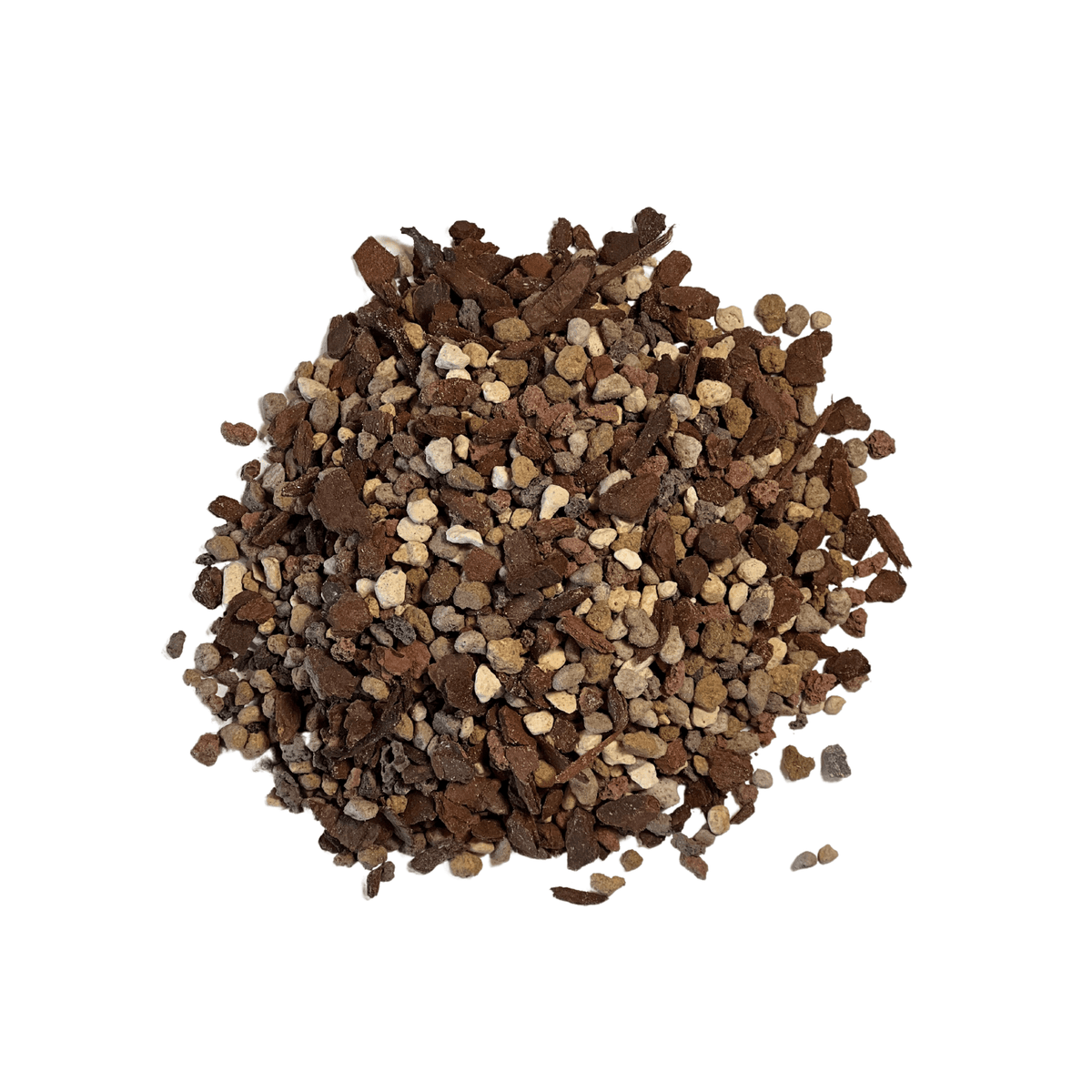
A well-formulated tropical potting mix is composed of several key ingredients that work together to maintain moisture, provide adequate drainage, and supply essential nutrients. Here are the primary components to look for:
- Organic Matter: Composts, peat moss, and coconut coir are common organic materials that help retain moisture and add nutrients.
- Inorganic Elements: Perlite, vermiculite, and sand improve aeration and drainage, preventing root rot.
- Nutrient Additives: Fertilizer or slow-release pellets may be included to provide additional nutrients over time.
Factors to Consider When Choosing a Tropical Potting Mix
Drainage and Moisture Retention
Tropical plants generally prefer soil that retains some moisture but does not become waterlogged. The mix should allow excess water to drain away while maintaining enough moisture for the plant’s roots. Look for a mix that includes materials like perlite or sand for drainage and peat moss or coconut coir for moisture retention.
Nutrient Content
The nutrient needs of tropical plants can vary, but a balanced mix will often include a combination of organic and inorganic materials. It’s important to check whether the mix contains added fertilizers or if you’ll need to supplement with additional feeding. For ongoing plant health, a mix that includes slow-release fertilizers can be beneficial.
pH Level
Tropical plants thrive in slightly acidic to neutral pH levels. Most tropical potting mixes are formulated to provide an appropriate pH balance, but it’s wise to verify this before purchase, especially if you have specific plants with special needs.
Specialty Mixes for Specific Tropical Plants
Not all tropical plants have the same soil requirements. Certain species, such as orchids or bromeliads, require specially formulated mixes. Here are some considerations for particular plant types:
- Orchids: Typically need a chunky, well-draining mix with bark, perlite, and charcoal.
- Bromeliads: Prefer a mix that is airy and well-draining, often incorporating pine bark and coarse sand.
- Aroids (such as Monstera or Philodendron): Often thrive in a mixture that includes peat, perlite, and sometimes a bit of bark to mimic their natural jungle environment.
Conclusion
Choosing the right tropical potting mix is essential for the health and vitality of your plants. By understanding the components and factors that contribute to a quality mix, you can create the ideal growing environment. Remember, the best potting mix is one that aligns with the specific needs of your tropical plants, ensuring they receive the right balance of moisture, nutrients, and aeration. With the right care, your tropical plants will not only survive but thrive, bringing a touch of the tropics into your home.