Transform Your Passion for Flying into a Career with Our Commercial Pilot Course
For those with a passion for aviation, there is no greater dream than to soar through the skies as a professional pilot. Transitioning from an aviation enthusiast to a commercial pilot requires dedication, training, and the right educational pathway. A comprehensive commercial pilot course offers an invaluable opportunity to turn this passion into a rewarding career, providing the skills and knowledge necessary to navigate the complex world of aviation.
Understanding the Commercial Pilot Course
Embarking on the journey to becoming a commercial pilot involves a structured learning process designed to equip future pilots with the necessary competencies. The course covers a broad spectrum of topics and includes:
- Extensive ground training to understand aviation theories and regulations.
- Hands-on flight instruction under the guidance of experienced pilots.
- Navigation and meteorology to ensure safe and efficient flight planning.
- Aircraft systems and performance to manage and operate complex aircraft.
For those eager to start this journey, explore advanced guides and tips to gain a deeper understanding of the course structure and requirements.
Key Benefits of Enrolling in a Commercial Pilot Course
Comprehensive Skill Development
The commercial pilot course focuses on developing a wide range of skills essential for a successful career in aviation. These include:
- Technical proficiency in flying a variety of aircraft.
- Advanced decision-making abilities for diverse flight scenarios.
- Strong communication skills to coordinate effectively with air traffic control and crew members.
Pathway to Diverse Career Opportunities
Completing a commercial pilot course opens up numerous career possibilities within the aviation industry. Graduates are well-prepared to pursue roles such as:
- Airline Pilot
- Charter Pilot
- Flight Instructor
- Cargo Pilot
For insights into the potential career paths and opportunities, discover expert strategies here.
Course Components and Structure
The commercial pilot course is meticulously structured to ensure comprehensive training, including:
- Theoretical Knowledge: Classroom sessions covering crucial topics such as aerodynamics, flight regulations, and air law.
- Practical Flight Training: Real-world flying experience to build confidence and competence in handling aircraft.
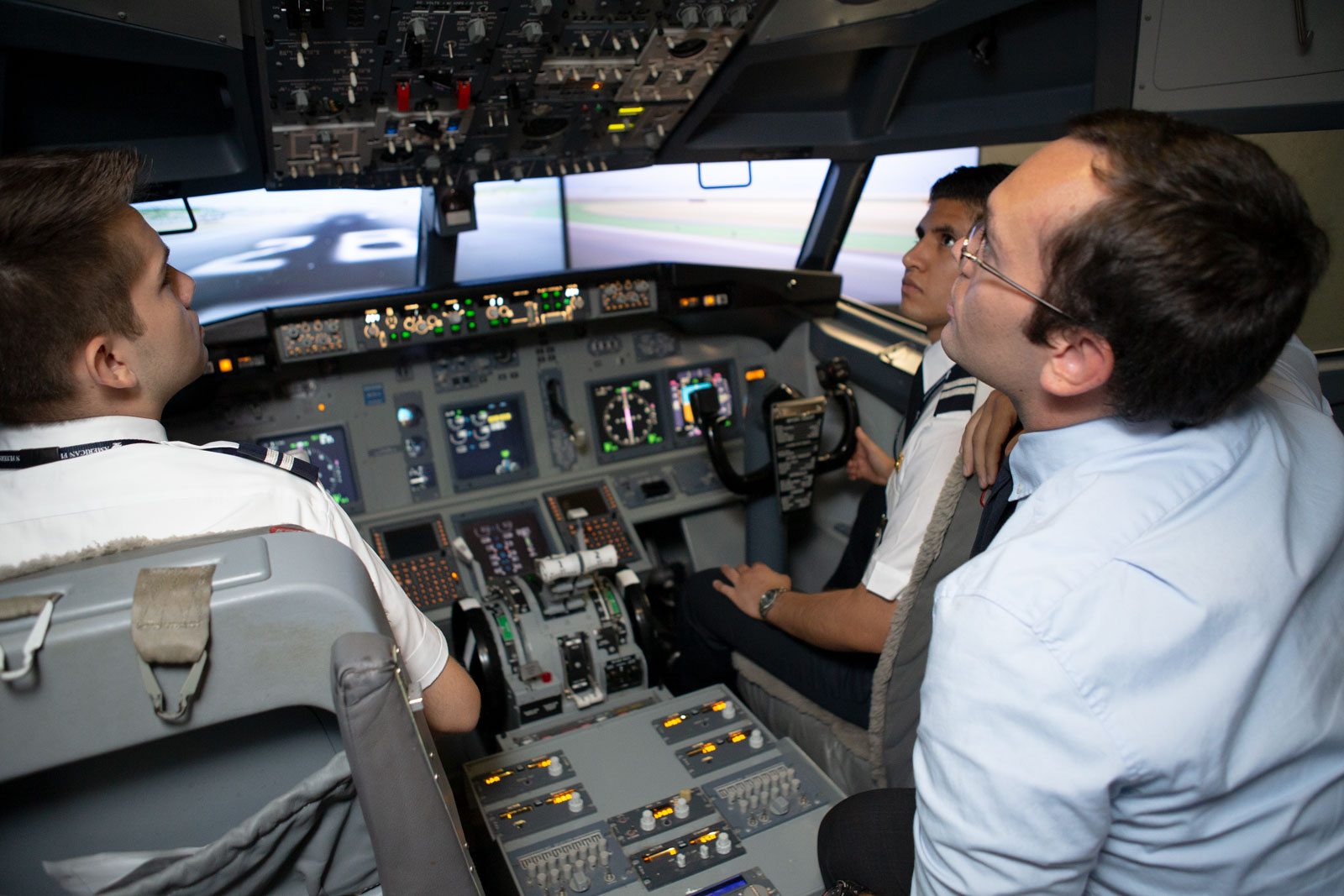
- Simulator Training: Use of advanced simulators to replicate various flight conditions and scenarios.
- Examinations and Assessments: Regular evaluations to ensure mastery of the curriculum.
To understand more about how these components are integrated, learn about our tailored solutions for aspiring pilots.
Why Choose a Professional Training Program?
Opting for a professional training program offers numerous advantages, including:
- Access to experienced instructors with extensive industry knowledge.
- State-of-the-art training facilities and equipment.
- Structured learning paths that align with industry standards and requirements.
For those considering this pathway, find out more about this approach to ensure a well-rounded educational experience.
Transforming a passion for flying into a career is a fulfilling and achievable goal with the right training and guidance. A commercial pilot course provides the foundation and expertise required to excel in the aviation industry. Whether aiming to fly for a commercial airline or exploring other aviation roles, the skills and knowledge gained through professional training are invaluable assets in the journey to becoming a successful pilot.
Post Comment