Trusted Wildlife Management Experts in Raleigh
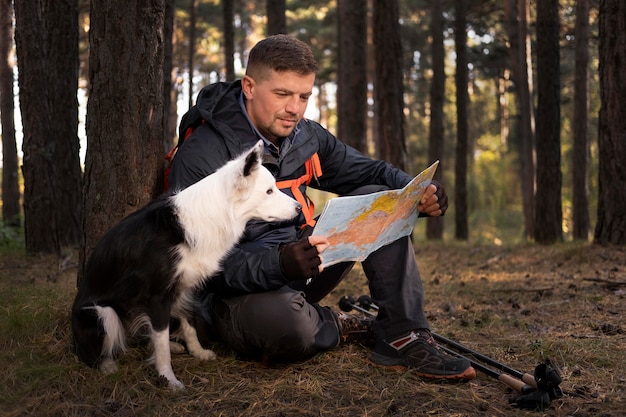
Wildlife management is a critical facet of maintaining the delicate balance between human development and the natural environment. In Raleigh, where urbanization is on the rise, the need for effective wildlife management has never been more pressing. As cities expand, so do the interactions between humans and wildlife, often leading to conflicts that require expert intervention. The role of trusted wildlife management experts is to mitigate these conflicts while ensuring the safety and well-being of both human populations and local fauna. The following sections will delve into various aspects of wildlife management in Raleigh, highlighting key strategies and solutions that address this intricate challenge.
Understanding Wildlife Management
Wildlife management involves a wide array of practices designed to conserve wildlife populations while resolving conflicts with human activities. The key objectives are to:
- Preserve biodiversity.
- Maintain healthy wildlife populations.
- Ensure public safety and property protection.
- Promote sustainable interactions between humans and wildlife.
By leveraging scientific research and innovative techniques, experts in the field aim to create harmonious coexistence. Discover expert strategies here.
Effective Strategies for Wildlife Management
Assessment and Monitoring
Effective wildlife management begins with thorough assessment and monitoring of wildlife populations and habitats. This includes:
- Conducting population surveys and habitat evaluations.
- Utilizing technology for real-time monitoring.
- Implementing GIS mapping to track wildlife movements.
Such assessments provide the data necessary to develop tailored solutions for Raleigh’s unique environment. Learn about our tailored solutions here.
Conflict Resolution Techniques
Human-wildlife conflicts can arise in various forms, from property damage to safety concerns. Effective conflict resolution involves several approaches:
- Installing barriers and deterrents to prevent wildlife intrusion.
- Implementing non-lethal management practices.
- Educating the public about coexistence strategies.
These methods are designed to minimize harm to wildlife while protecting human interests. Explore advanced guides and tips here.
Engaging the Community
Community involvement is a crucial component of successful wildlife management. Experts work to engage local residents through:
- Educational workshops and seminars.
- Volunteer programs for habitat restoration.
- Collaboration with local governments and organizations.
By fostering a sense of shared responsibility, experts help communities in Raleigh become active participants in wildlife conservation. Find out more about this approach here.
Conclusion
As Raleigh continues to grow, the need for trusted wildlife management experts becomes increasingly vital. Through comprehensive assessment, effective conflict resolution, and community engagement, these professionals ensure that both human and wildlife populations can thrive. For those seeking to contribute to this crucial effort, understanding the multifaceted strategies involved in wildlife management is the first step towards sustainable coexistence.
Post Comment