Unleash Your Speed: Choosing the Best Bicycle Racing Suit
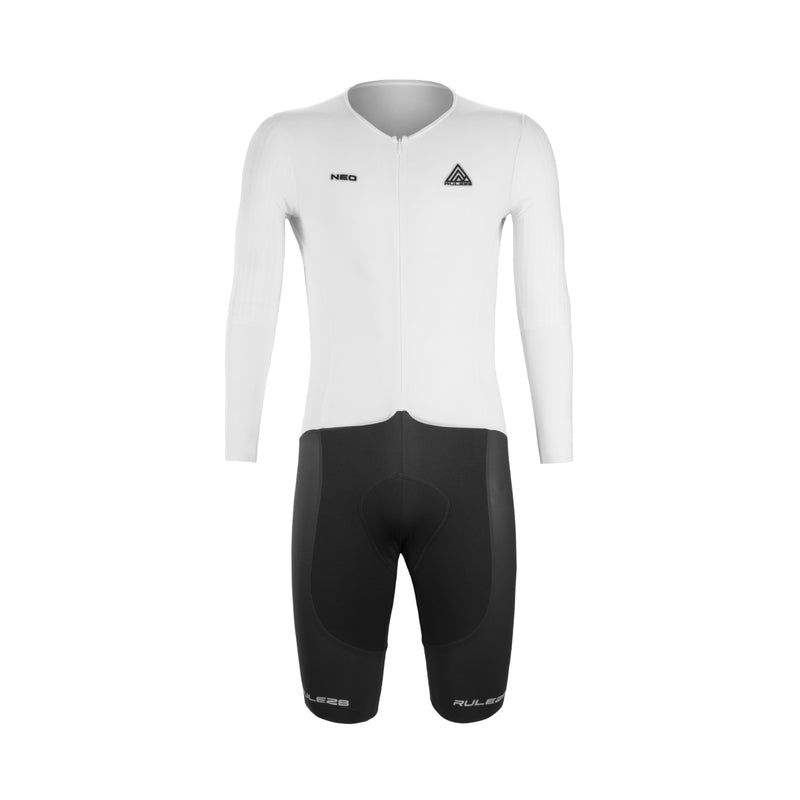
In the world of competitive cycling, every second counts, and the right gear can make all the difference. A bicycle racing suit is more than just apparel; it is a critical component in enhancing performance and ensuring comfort. Selecting the best suit involves understanding various factors that contribute to speed, aerodynamics, and endurance. This article delves into the key aspects to consider when choosing a bicycle racing suit to help you accelerate towards your goals.
Understanding the Importance of Aerodynamics
Aerodynamics plays a crucial role in bicycle racing, where reducing drag can lead to significant time savings. When choosing a racing suit:
- Look for suits crafted with advanced materials designed to minimize air resistance.
- Consider suits with seamless designs to reduce drag.
- Opt for suits that fit snugly to your body, ensuring no loose fabric flutters in the wind.
For more insights on how to maximize aerodynamic efficiency, discover expert strategies here.
Material and Fabric Technology
The choice of material significantly impacts comfort, breathability, and performance. Advanced fabric technologies provide:
- Enhanced moisture-wicking properties to keep you dry.
- Lightweight construction for ease of movement.
- Durability to withstand long hours of racing.
Explore advanced guides and tips on selecting fabrics that align with competitive needs here.
Fit and Comfort
The fit of a cycling suit influences both comfort and speed. Here’s what to keep in mind:
- Ensure the suit provides a second-skin fit without compromising mobility.
- Choose suits with strategically placed panels to accommodate body movement.
- Look for ergonomic designs that support natural body posture during rides.
Learn about our tailored solutions to enhance fit and comfort in bicycle racing suits here.
Weather Adaptability
Racing conditions can vary significantly, making weather adaptability essential:
- Consider suits with thermal properties for colder climates.
- Opt for breathable fabrics that provide ventilation in warmer conditions.
- Look for suits with UV protection for sunny races.
Find out more about this approach to weather-specific racing suits here.
Conclusion
Choosing the best bicycle racing suit involves a careful balance of aerodynamics, material technology, fit, and weather adaptability. Each of these elements contributes to optimizing performance and comfort. By focusing on these key aspects, cyclists can significantly impact their racing efficiency and outcomes. To gain a deeper understanding of the latest advancements and tailored solutions in racing suits, explore advanced guides and tips that can unlock new levels of speed and performance.