Water Damage Foundation Repair by foundation repair lexington company
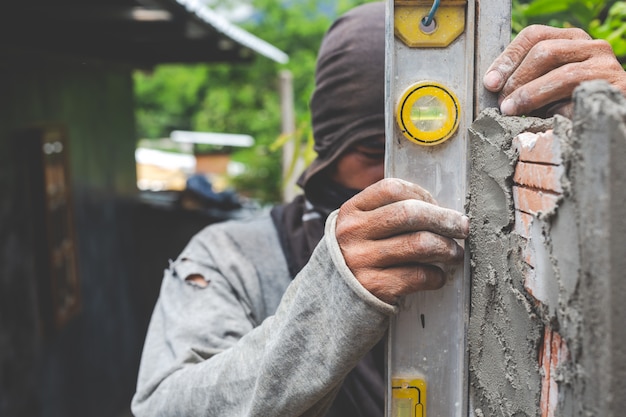
Water intrusion is one of the most insidious threats to a building’s structural integrity. When moisture seeps into the soil beneath a home, it can cause the foundation to shift, crack, and ultimately fail. Understanding how water damage affects foundations, recognizing early warning signs, and implementing effective repair methods are essential steps for preserving long-term stability. This article explores the mechanisms of water-related foundation problems, outlines preventive measures, and details repair techniques that professionals in Lexington rely on to restore safety and durability.
How Water Damages Foundations
Soil moisture dynamics play a pivotal role in foundation health. When the ground around a structure becomes saturated, the soil expands (in the case of clay) or loses bearing capacity (in sandy or loamy soils). Both conditions generate uneven pressure on the concrete footings, leading to:
- Vertical settlement or heave
- Horizontal movement causing cracks in walls and slabs
- Hydrostatic pressure that pushes water against basement walls
Over time, these forces can create gaps, bowing walls, and compromised load-bearing capacity. The resulting damage is often hidden until it becomes visible through cracks, doors that stick, or uneven floors.
Identifying Early Warning Signs
Prompt detection can save thousands in repair costs. Homeowners should regularly inspect for the following indicators:
- Cracks wider than ¼ inch in foundation walls or floors
- Water stains or mold on basement walls
- Doors and windows that no longer close properly
- Sloping or sagging floors
- Excessive moisture or pooling near the foundation
When any of these signs appear, it is advisable to consult a specialist who can assess the extent of water infiltration and recommend appropriate remediation.
Preventive Strategies for Water Management
Effective water control begins with proper site grading and drainage. Below are key practices that reduce the risk of foundation damage:
Exterior Grading
- Ensure the ground slopes away from the house at a minimum of 6 inches per 10 feet.
- Remove soil mounds or landscaping features that direct water toward the foundation.
Gutter and Downspout Maintenance
- Clean gutters regularly to prevent overflow.
- Install downspout extensions that discharge water at least 5 feet from the foundation.
French Drains and Sump Pumps
- Install a French drain system to intercept groundwater before it reaches the footings.
- Equip basements with a reliable sump pump and test it periodically.
For a comprehensive overview of these techniques, Discover expert strategies here.
Foundation Repair Techniques for Water Damage
When preventive measures are insufficient, targeted repairs become necessary. The most common methods include:
- Underpinning: Strengthening the foundation by extending footings to deeper, more stable soil layers.
- Wall Anchors and Bracing: Installing steel anchors that pull bowing walls back into alignment.
- Epoxy Injection: Filling cracks with high-strength epoxy to restore structural continuity.
- Waterproofing Membranes: Applying interior or exterior sealants to block moisture migration.
Each technique is selected based on the severity of the damage, soil conditions, and the building’s design. Detailed case studies illustrate how these solutions are applied in real-world scenarios. Learn about our tailored solutions.
Choosing the Right Professional
Repair success hinges on the expertise of the contractor. When evaluating potential service providers, consider the following criteria:
- Licensing and insurance coverage specific to foundation work.
- Experience with water-related foundation issues in the Lexington area.
- Transparent assessment reports that include soil analysis and moisture testing.
- Positive client testimonials and documented project outcomes.
Professional assessments often include a moisture mapping report, which helps pinpoint the exact source of water intrusion and guides the repair plan.
Maintenance After Repair
Repair is only part of the solution; ongoing maintenance ensures longevity. Recommended post-repair actions include:
- Quarterly inspection of grading and drainage systems.
- Annual testing of sump pump functionality.
- Seasonal cleaning of gutters and downspouts.
- Monitoring interior humidity levels with a dehumidifier during wet months.
Continual vigilance reduces the likelihood of recurrence and protects the investment made in foundation restoration. Explore advanced guides and tips.
Conclusion
Water damage to foundations is a preventable and treatable issue when approached with knowledge and professional expertise. By understanding soil-water interactions, recognizing early signs, implementing robust drainage solutions, and selecting the appropriate repair method, homeowners can safeguard their properties against costly structural failures. For further information on effective water-damage mitigation and foundation repair, Find out more about this approach.